
AI Tools for SEO: What Matters Most Now
- AI SEO tools are useful helpers, not a full strategy. They can speed up keyword research, briefs, content optimisation, audits and reporting, but human judgement still decides what is helpful.
- The best tool depends on your main bottleneck. Writers may need Clearscope, Surfer SEO, Jasper or INK; technical teams may prefer AlliAI, Nightwatch, Pro Rank Tracker or LinkResearchTools.
- Google rewards useful content, not content simply because it was produced with or without AI. Your articles still need first-hand value, clear answers, good structure and trust signals.
- Do not use AI to publish thin pages at scale. Use it to research, organise, improve and update content that genuinely helps readers.
- For small sites, start simple. One content optimisation tool, one rank tracker and Google Search Console are often enough before adding expensive suites.
AI tools for SEO can make content planning, optimisation and reporting much faster, but they should not replace common sense, originality or real experience. This guide updates the older 2023 list into a practical, reader-friendly overview of the most useful AI SEO tool categories and how to use them without creating generic, low-value content.
What Are the Best AI Tools for SEO?
The best AI tools for SEO are the ones that solve a specific problem in your workflow. Surfer SEO and Clearscope are strong for content optimisation, Jasper and INK help with drafting and rewriting, Nightwatch and Pro Rank Tracker help with rankings, and LinkResearchTools is useful for deeper backlink analysis. For most beginners, the smartest setup is a simple mix: Google Search Console, a keyword/content tool, and a rank tracker.
How AI SEO Tools Help Without Replacing Your Strategy
SEO is not only about inserting keywords into a page. A strong page needs search intent, clear structure, useful examples, internal links, crawlable HTML, good speed, trustworthy sources and a reason for readers to stay. AI tools help by doing repetitive work faster, but they do not automatically know your audience, your website history or your real-world expertise.
Keyword Research
AI can group keywords by intent, suggest supporting topics and reveal gaps in your existing content plan.
Content Briefs
Tools can analyse ranking pages and help you build an outline with headings, FAQs and related terms.
On-Page Optimisation
Content editors can recommend terms, title ideas, readability improvements and missing sections.
SEO Reporting
Rank trackers and dashboards make it easier to see which pages are rising, falling or needing updates.
The safe way to use AI is simple: let the tool assist with research, structure and refinement, then add your own judgement, screenshots, comparisons, examples and editorial checks.
Best AI Tools for SEO: Updated Practical List
Below is a cleaned-up version of the original tool list, with a stronger focus on what each tool is best for and how it fits into a real SEO workflow.
1. Jasper: AI Writing Assistant for Marketing Teams
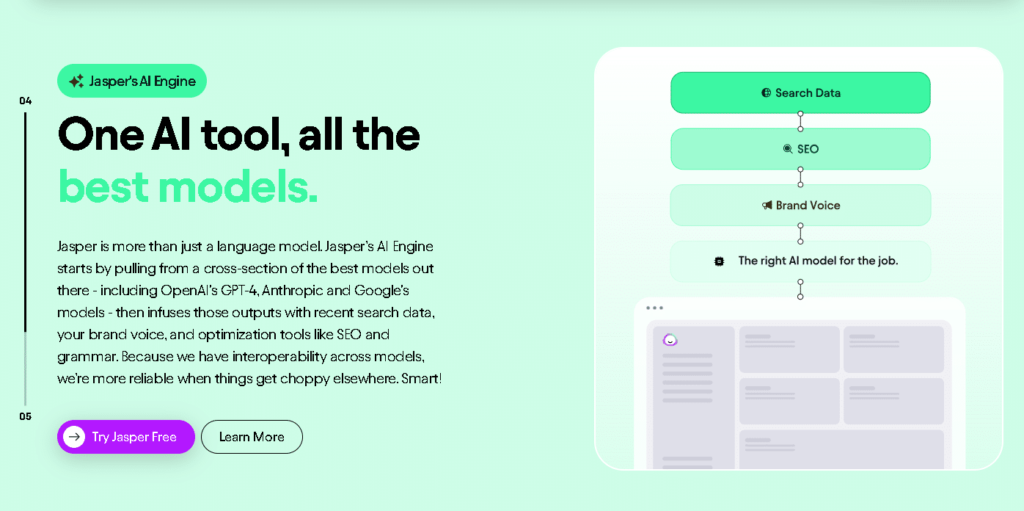
Jasper is mainly useful for marketers who need help drafting copy, turning ideas into outlines, rewriting sections and adapting content for different channels. For SEO, its strongest use is not “one-click articles”, but faster first drafts, meta descriptions, intros, product copy and content refreshes.
- Best for marketing copy, blog drafts and repurposing content.
- Useful when you already have a clear brief and want to speed up writing.
- Still needs fact-checking, human editing and search-intent review.
Watch a Jasper tutorial video
2. Pictory: Turn Articles Into SEO-Friendly Video Assets

Pictory helps turn written content into short videos, summaries and social clips. Video can support SEO when it improves engagement, gives readers another way to understand the topic and creates assets for YouTube, Pinterest, Facebook or embedded blog sections.
- Best for repurposing blog posts into video.
- Useful for tutorials, summaries and social promotion.
- Pair it with good titles, captions and a clear article-video connection.
Watch a Pictory tutorial video
3. AlliAI: Sitewide SEO Automation
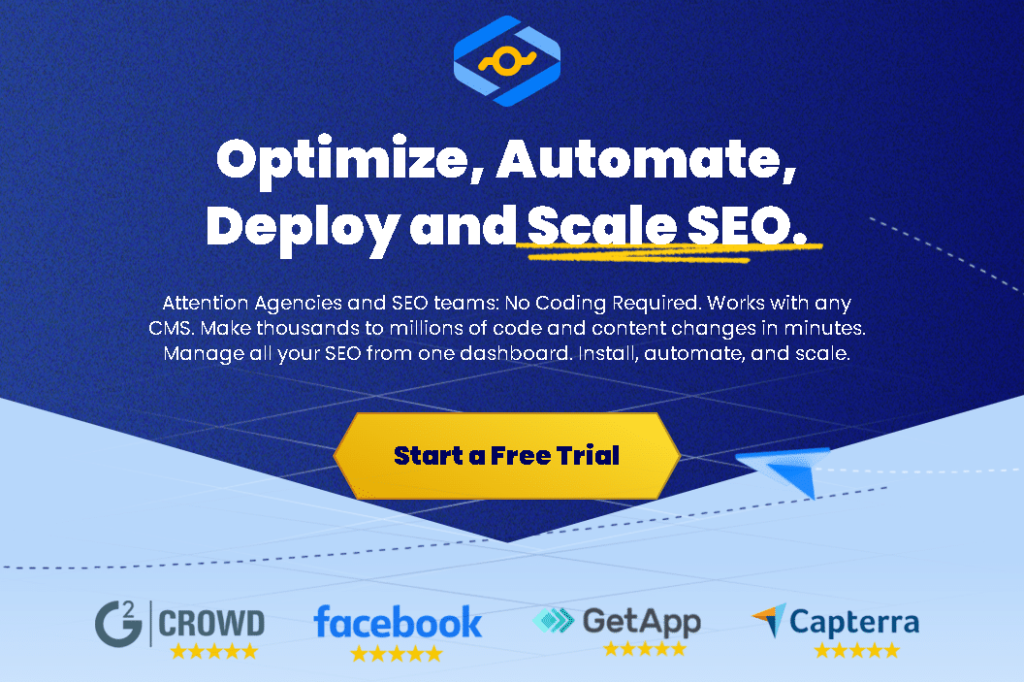
AlliAI is built for making SEO changes across many pages. It can be useful for agencies, ecommerce sites and larger websites that need scalable optimisation rules, title testing and page-level changes without editing every page manually.
- Best for larger sites and agencies.
- Useful for technical and on-page changes across many URLs.
- Should be used carefully, because automated changes can also create sitewide mistakes.
Watch an AlliAI tutorial video
4. Pro Rank Tracker: Rank Tracking and Visibility Reports
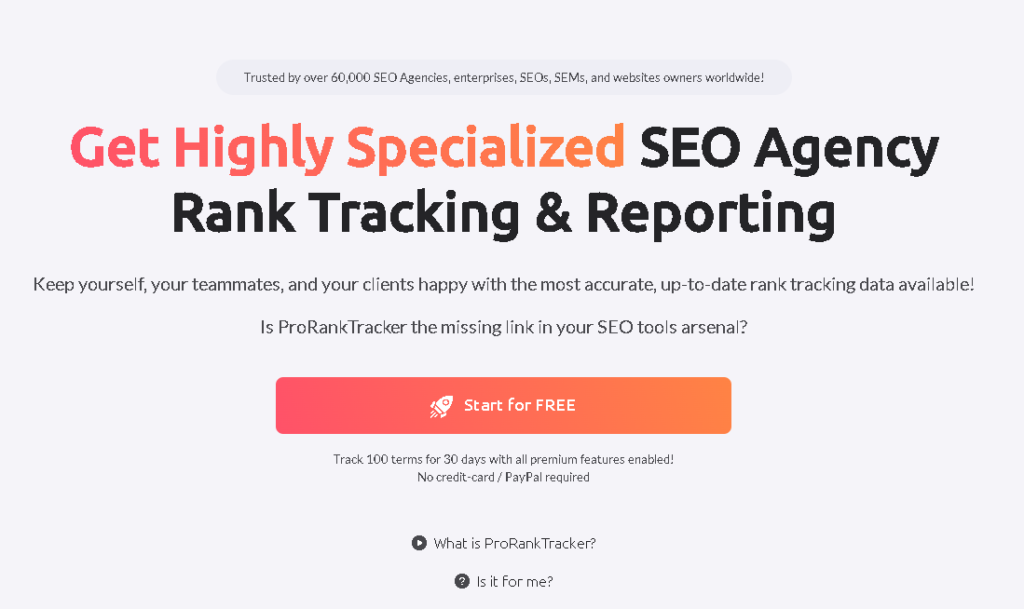
Pro Rank Tracker helps you monitor keyword positions instead of manually checking Google. Rank tracking is useful because it shows whether your optimisation changes are actually working over time.
- Best for tracking keyword performance.
- Useful for client reports and progress monitoring.
- Works best when paired with traffic and conversion data, not rankings alone.
5. Scalenut: Research, Briefs and Content Planning

Scalenut focuses on content planning, research and optimisation. It is most useful when you want a guided workflow from keyword research to outline to content optimisation.
- Best for content briefs and topic planning.
- Useful for building topical clusters.
- Needs human editing to avoid generic article structures.
Watch a Scalenut tutorial video
6. INK: AI Writing With SEO Assistance
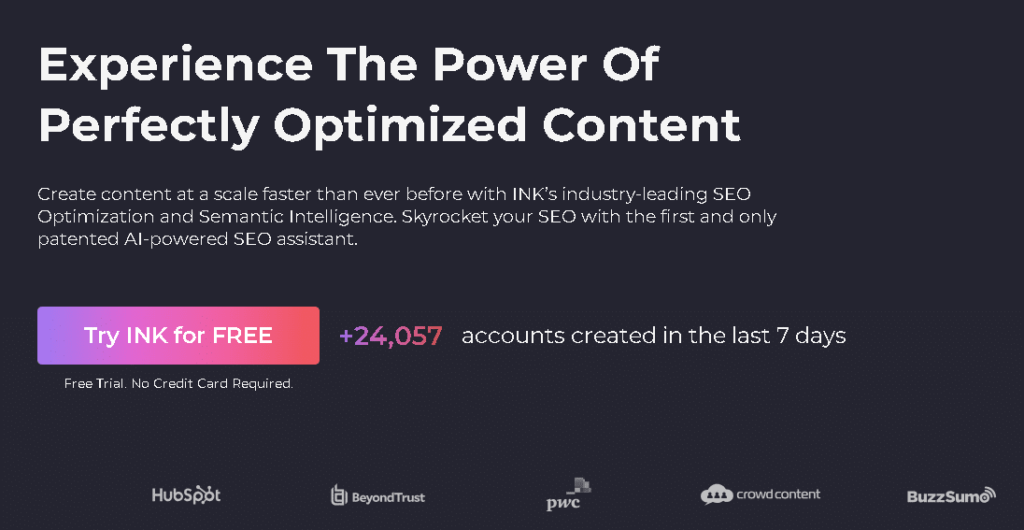
INK combines AI writing and SEO suggestions. It can help with rewriting, simplifying, expanding and checking on-page elements such as titles and meta descriptions.
- Best for writers who want optimisation suggestions inside the writing flow.
- Useful for rewriting weak sections and improving clarity.
- Still needs manual checks for accuracy and tone.
Watch an INK tutorial video
7. Nightwatch: SEO Tracking, Audits and Reporting
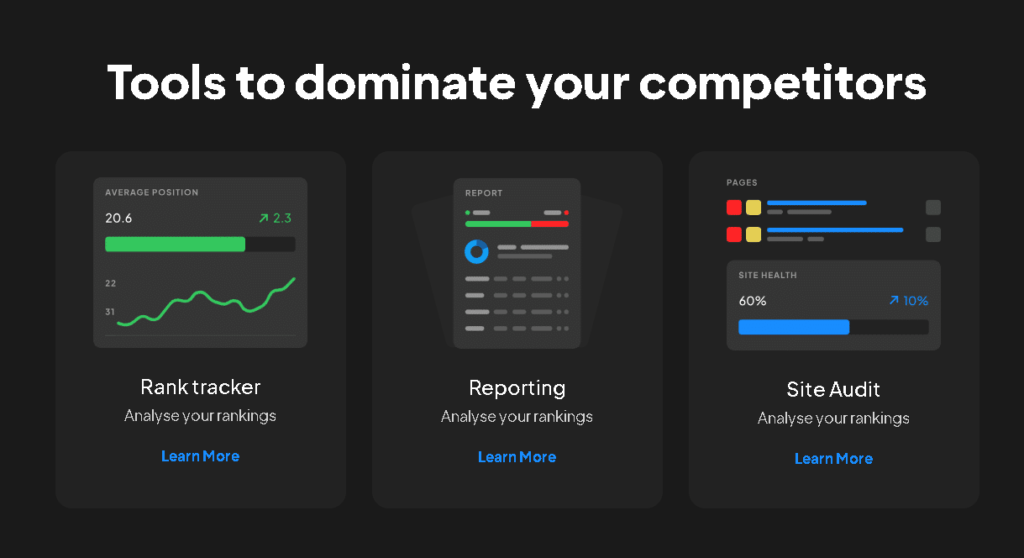
Nightwatch is a search visibility platform for rank tracking, audits and reporting. It is useful when you want a clearer view of how rankings move across locations, devices and groups of keywords.
- Best for tracking visibility over time.
- Useful for agencies, local SEO and reporting.
- Works best when reports lead to clear page update actions.
Watch a Nightwatch tutorial video
8. Clearscope: Content Optimisation and Topic Coverage

Clearscope is popular for content optimisation. It helps writers compare their draft against related topics and terms that appear across strong ranking pages.
- Best for improving topical coverage.
- Useful for updating old articles and creating content briefs.
- Do not chase scores blindly; the reader’s question comes first.
Watch a Clearscope tutorial video
9. LinkResearchTools: Backlink Risk and Link Analysis
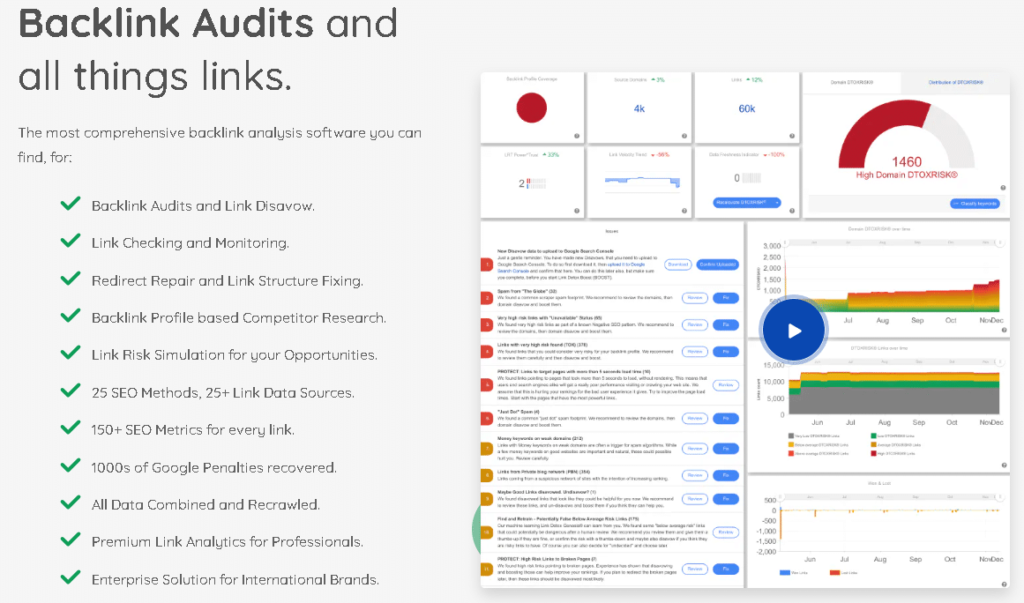
LinkResearchTools is a more advanced backlink analysis platform. It is useful when you need to understand link risk, competitor backlinks and the overall health of a site’s link profile.
- Best for backlink audits and risk checks.
- Useful for larger sites, agencies and recovery work.
- Beginners may not need this level of detail immediately.
Watch a LinkResearchTools tutorial video
10. Surfer SEO: Data-Driven On-Page Optimisation

Surfer SEO helps with content planning, on-page optimisation and SERP analysis. It is especially useful for writers who want a data-based checklist while improving an article.
- Best for content editors and SEO writers.
- Useful for refreshing existing posts and building new briefs.
- Use recommendations as guidance, not as a replacement for expertise.
Watch a Surfer SEO tutorial video
Bonus Tools Worth Knowing
Originality.ai
Originality.ai can help publishers check for plagiarism and AI-writing signals. It should be used as an editorial risk tool, not as proof that content is good or bad.
Watch an Originality.ai tutorial video
Semrush
Semrush-style SEO suites can help with keyword research, competitor tracking, content audits and backlinks. They are powerful, but they may be too expensive for tiny sites at the beginning.
Watch an SEO beginner tutorial video
AI SEO Tools Comparison Table
This quick comparison helps you choose based on the job you actually need done.
| Tool | Best For | Good Fit For | Watch Out For |
|---|---|---|---|
| Jasper | AI writing and marketing copy | Bloggers, marketers, teams | Needs fact-checking and editing |
| Pictory | Article-to-video repurposing | Social content, video snippets | Video still needs good scripting |
| AlliAI | Sitewide SEO automation | Agencies and larger sites | Automated changes must be reviewed |
| Pro Rank Tracker | Keyword position tracking | Site owners and client reporting | Rankings alone are not the full picture |
| Scalenut | Content planning and briefs | Content teams and niche sites | Do not publish generic AI outlines unchanged |
| INK | Writing and SEO suggestions | Writers who want guided editing | Requires human judgement |
| Nightwatch | Visibility tracking and reporting | Agencies, local SEO, multi-location tracking | Needs regular interpretation |
| Clearscope | Topical coverage optimisation | SEO writers and editors | Do not over-optimise for scores |
| LinkResearchTools | Backlink audits and risk analysis | Advanced SEO teams | May be too complex for beginners |
| Surfer SEO | On-page optimisation and SERP analysis | Content refreshes and briefs | Recommendations are not guarantees |
How to Choose the Right AI SEO Tool
Before buying another subscription, ask what problem you need to solve this month. A small website does not need every SEO platform at once.
For Writing
Choose Jasper, INK, Surfer SEO or Clearscope if your main challenge is improving article quality and structure.
For Tracking
Choose Nightwatch or Pro Rank Tracker if you need to measure keyword movement over time.
For Audits
Choose AlliAI or LinkResearchTools if you have many pages or backlink issues to manage.
A good beginner stack might be: Google Search Console + one content optimisation tool + one rank tracker. Upgrade only when the tool saves enough time or helps you make better decisions.
A Practical AI SEO Workflow for One Blog Post
- Start with search intent: Decide whether the reader wants a definition, list, tutorial, comparison, review or solution.
- Build a brief: Use an AI SEO tool to collect related questions, subtopics and competitor patterns.
- Add original value: Include your own examples, screenshots, steps, warnings, comparisons or lived experience.
- Write for clarity first: Use short sections, helpful headings, scannable lists and direct answers.
- Optimise carefully: Improve the title, meta description, internal links, image alt text and FAQ section.
- Publish, then measure: Watch impressions, clicks, average position and user engagement before deciding what to update.
Common AI SEO Mistakes to Avoid
- Publishing huge batches of thin AI content without real value, editorial review or useful information.
- Blindly chasing optimisation scores until the article reads like a keyword-stuffed checklist.
- Copying competitor headings without adding a better answer or a clearer reader experience.
- Forgetting internal links that help readers move naturally to related ChipJourney guides.
- Ignoring old content updates even though refreshing existing posts is often easier than starting from zero.
Recommended Resource for AI SEO Growth
For readers who want a beginner-friendly business angle, this resource focuses on using AI to support marketing and SEO tasks more efficiently.
FAQs About AI Tools for SEO
What are AI tools for SEO?
AI tools for SEO are software platforms that use artificial intelligence or machine learning to help with keyword research, content briefs, writing support, on-page optimisation, technical audits, rank tracking, reporting and competitor analysis.
Can AI tools write SEO-friendly content?
Yes, AI tools can help draft and optimise SEO-friendly content, but the final article still needs human editing, fact-checking, original insight and a clear reason for readers to trust it.
Does Google allow AI-generated content?
Google’s guidance focuses on whether content is helpful, reliable and people-first. AI can be used as part of the process, but mass-producing low-value pages to manipulate rankings is risky and can violate spam policies.
Which AI SEO tool is best for beginners?
For beginners, the best option is usually a simple tool that helps with content briefs and optimisation, such as Surfer SEO, Clearscope, Scalenut or INK, plus Google Search Console for performance data.
Are AI SEO tools worth paying for?
They can be worth paying for if they save time, improve decisions or help you update more content. A tool is not worth it if you do not have a publishing plan, a clear niche or enough traffic to learn from the results.
Can AI SEO tools replace an SEO expert?
No. They can automate research and suggest improvements, but an SEO expert still understands strategy, audience needs, technical risks, brand voice, content quality and business goals.
Sources and Further Reading
Use these official, practical, and related resources to continue learning about SEO, AI content, structured data, and online growth.
- Google Search Central: Using generative AI content on your website
- Google Search Central: Creating helpful, reliable, people-first content
- Google Search Central: SEO Starter Guide
- Google Search Central: Article structured data
- How To Use AI To Make Money Online: The Power Of AI
- How To Earn Money Online With Google For Students
- How To Make Money From Home In Florida: A Step-By-Step Guide
Drive Targeted Traffic Now
Want to keep improving your traffic strategy after choosing your AI SEO tools? This resource can help you explore another traffic-focused growth angle.
Affiliate Disclosure: This article may contain affiliate links. If you choose to buy through one of these links, ChipJourney may earn a small commission at no extra cost to you.