
Key Takeaways
- Attracting money symbols are best understood as intention tools, cultural symbols, and visual reminders — not guaranteed shortcuts to wealth.
- Popular prosperity symbols include Fehu, Lakshmi, Maneki Neko, the money frog, Pixiu, citrine, pyrite, the number 8, and gold.
- The most useful symbol is the one that inspires clear action: saving, budgeting, improving skills, building a business, or creating better money habits.
- Use money symbols respectfully, especially when they come from living religious or cultural traditions.
- For best results, pair spiritual practice with practical financial steps such as tracking spending, reducing debt, and setting realistic goals.
Money symbols appear in almost every culture. Some are religious, some are mythological, some are connected with feng shui, numerology, crystals, plants, or ancient alphabets. People use them because symbols help the mind focus: they turn a vague wish for prosperity into a daily visual reminder of intention, discipline, gratitude, and action.
This guide explores 15 attracting money symbols, what they traditionally represent, and how you can use them in a balanced way. The goal is not to promise instant wealth, but to help you create a more intentional relationship with abundance, opportunity, and financial wellbeing.
Quick Answer
The best attracting money symbols are the ones that help you focus on prosperity while taking practical action. Fehu can remind you of earned wealth, Lakshmi of generosity and fortune, Maneki Neko of welcoming opportunity, Pixiu of protecting resources, citrine of confidence, and gold of lasting value. Symbols can inspire your mindset, but they work best when combined with real financial habits.
Optional Prosperity Resource
Use Symbols as a Focus Tool, Not a Magic Guarantee
Some readers enjoy combining money symbols with meditation, journaling, or subconscious-mind practices. This optional wealth-focused brainwave resource may suit readers who like spiritual-style focus tools alongside practical money habits.
Explore the wealth brainwave resource →What Attracting Money Symbols Really Mean
Attracting money symbols are images, objects, numbers, plants, stones, or sacred designs associated with prosperity. Their meaning often comes from a mix of cultural history, spiritual belief, visual metaphor, and repeated use over time.
For example, a money tree symbolises growth because it is alive and needs care. Gold symbolises value because it has been treasured for centuries. The number 8 is often linked with flow and abundance because of both cultural associations and its endless loop shape. A symbol does not need to be “magical” to be useful — it can simply help you remember what you are trying to build.
How to Use Prosperity Symbols Safely and Practically
The most powerful way to use a prosperity symbol is to connect it with one clear action. Instead of placing a symbol somewhere and waiting for money to appear, attach it to a habit that can genuinely improve your financial life.
Set an intention
Write one specific money goal, such as saving a small emergency fund, paying down a bill, or launching a simple side project.
Choose one symbol
Pick the symbol that feels meaningful to you. Avoid cluttering your space with too many competing symbols at once.
Place it with purpose
Put it where it supports action: your desk, planner, wallet, prayer space, or budget notebook.
Pair it with action
Every time you see the symbol, take one small step: track spending, send an invoice, learn a skill, or review a goal.
Choose a Money Symbol by Intention
Different symbols carry different moods. This quick table can help you choose one based on what you want to focus on.
| Financial Intention | Good Symbol Match | Why It Helps |
|---|---|---|
| Earn more through work | Fehu Rune | Connects prosperity with effort, skill, and earned value. |
| Invite opportunity | Maneki Neko | Symbolically welcomes customers, luck, and helpful openings. |
| Protect savings | Pixiu or Chan Chu | Focuses attention on keeping wealth rather than letting it leak away. |
| Grow steadily | Money Tree or Bamboo | Reminds you that wealth often grows slowly through care and patience. |
| Build confidence | Citrine or Pyrite | Encourages optimism, visibility, courage, and action. |
| Honour sacred abundance | Lakshmi, Kubera Yantra, Shefa, Oshun | Connects money goals with gratitude, blessing, culture, and spiritual meaning. |
15 Attracting Money Symbols and Their Meanings
Below are the main prosperity symbols from the original article, now organised with clearer meanings and practical ways to use each one.

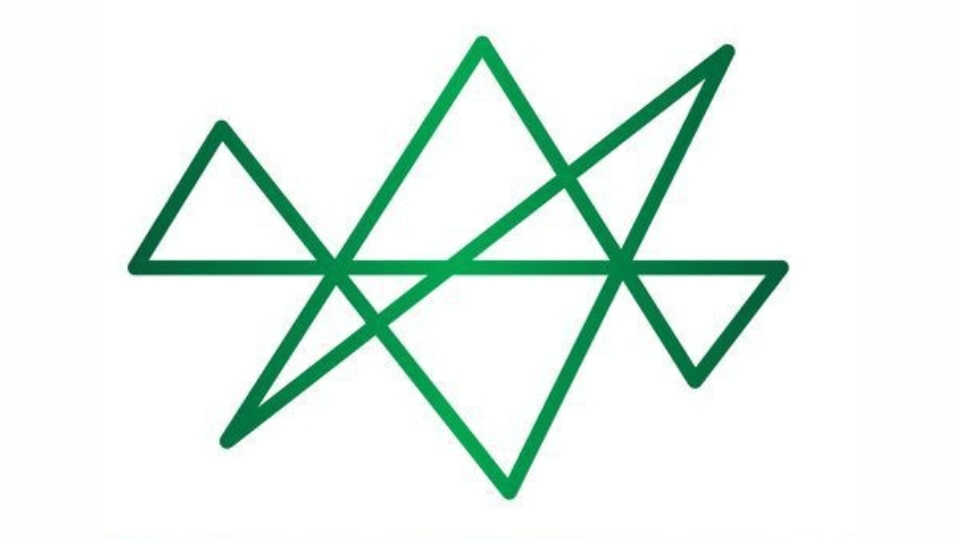
Symbol 1
Vasudha — Reiki Symbol for Prosperity
Origin: Reiki and modern spiritual practice, with a name linked to Sanskrit ideas of earth, wealth, and abundance.
Meaning: A prosperity-focused symbol used as a visual anchor for material stability, gratitude, and the flow of resources.
How to use it: Draw it in a journal before budgeting, meditate on it while setting income goals, or place it near a written intention.
Symbol 2
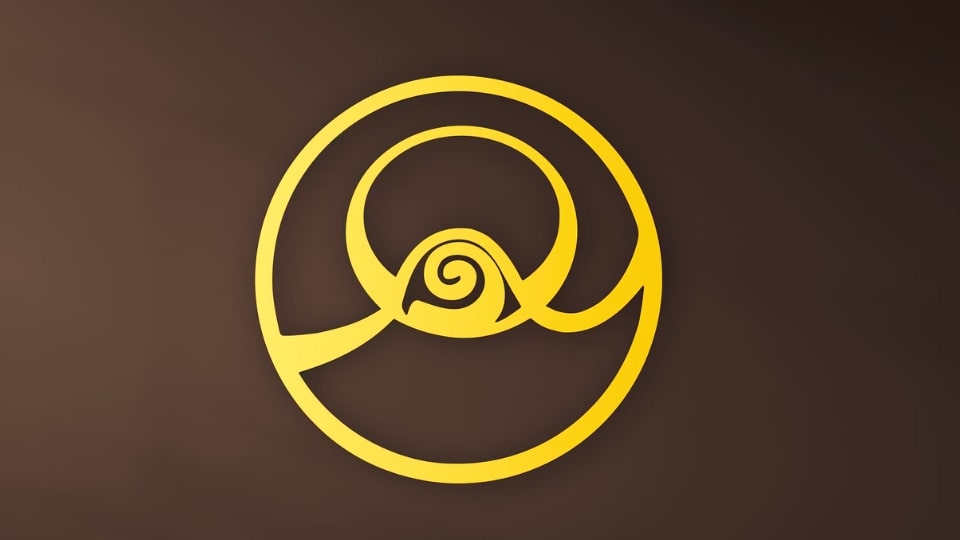
The Midas Star — Reiki Symbol for Abundance
Origin: Inspired by the Greek story of King Midas and used in some Reiki abundance traditions.
Meaning: Represents the desire to transform effort, skill, and opportunity into visible prosperity.
How to use it: Use it before planning a business idea, sending invoices, or reviewing financial goals.
Symbol 3
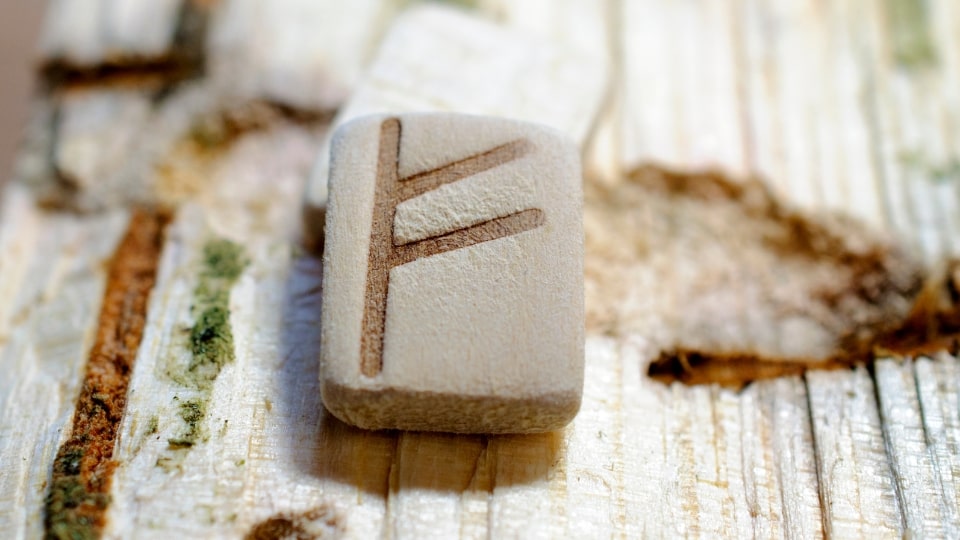
Fehu Rune — Norse Symbol of Wealth
Origin: Part of the Elder Futhark runic alphabet, traditionally associated with cattle, movable wealth, and earned resources.
Meaning: A reminder that wealth grows through care, exchange, skill, and consistent stewardship.
How to use it: Write Fehu beside a savings target or use it as a focus symbol when building a practical money habit.
Symbol 4
Shefa — Kabbalah Symbol of Abundance
Origin: Connected with Jewish mystical ideas around divine flow, blessing, and spiritual abundance.
Meaning: Symbolises receiving, sharing, and becoming a channel for blessing rather than hoarding resources.
How to use it: Reflect on generosity, gratitude, and wise receiving when using Shefa in meditation.
Symbol 5
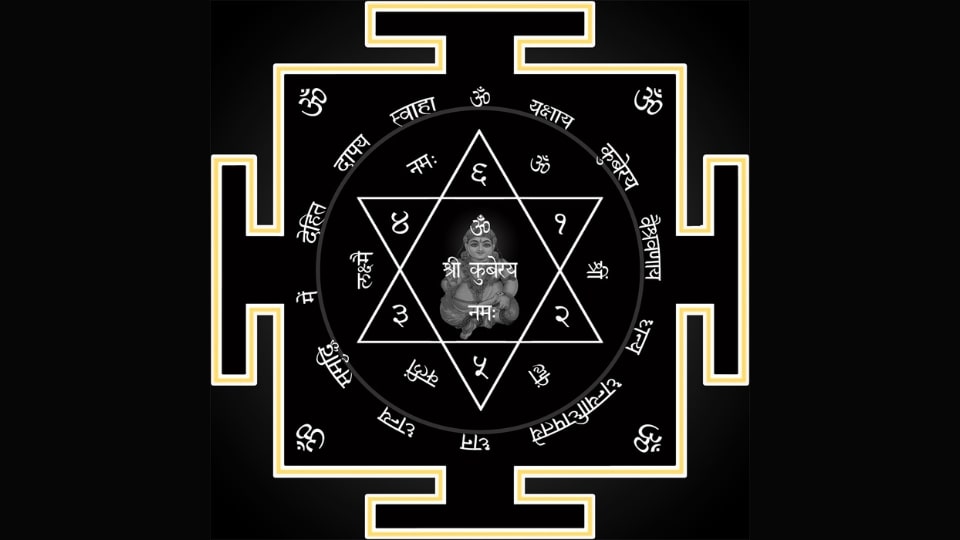
Kubera Yantra — Hindu Wealth Symbol
Origin: A yantra associated with Kubera, a Hindu deity linked with wealth and guardianship of treasures.
Meaning: Represents order, focus, and the disciplined attraction and protection of prosperity.
How to use it: Place it respectfully in a clean workspace or prayer area while setting clear financial intentions.
Symbol 6
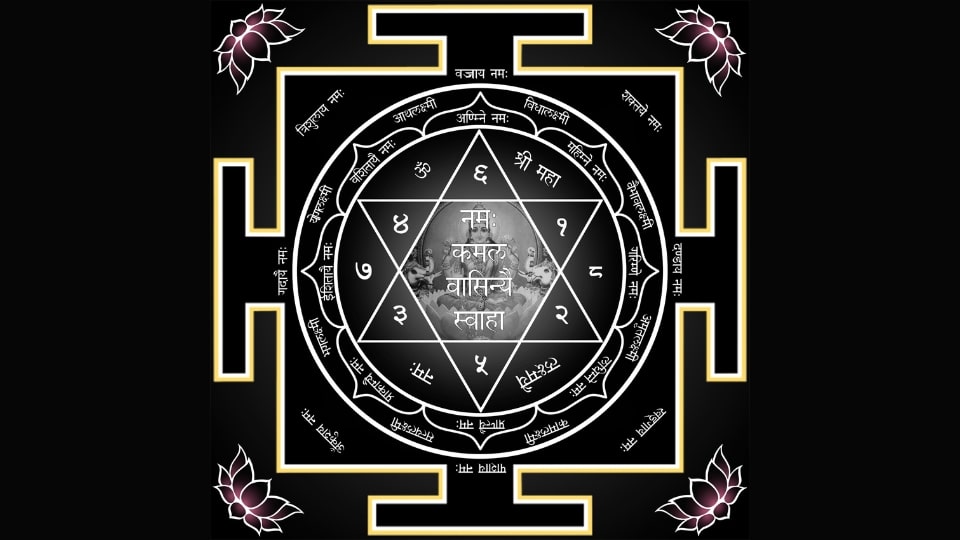
Lakshmi — Goddess of Wealth and Prosperity
Origin: Lakshmi is a major Hindu goddess associated with fortune, beauty, prosperity, and auspiciousness.
Meaning: A symbol of both material and spiritual abundance, including generosity, beauty, and wellbeing.
How to use it: Use a Lakshmi image or mantra respectfully as part of gratitude, charity, and prosperity prayer.
Symbol 7
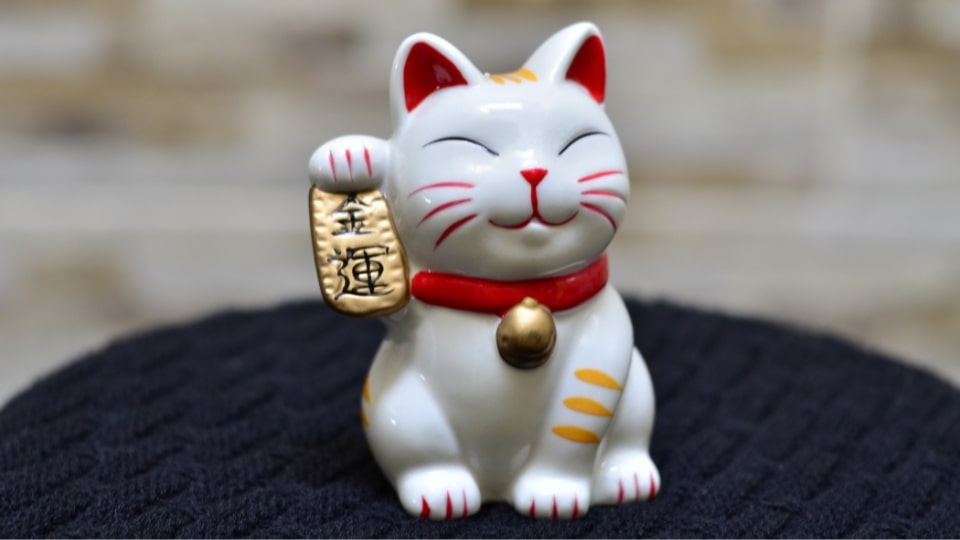
Maneki Neko — Japan’s Beckoning Cat
Origin: A popular Japanese good-luck figurine often seen in shops, restaurants, and homes.
Meaning: The raised paw symbolically invites customers, good fortune, and friendly opportunity.
How to use it: Place it near a shop entrance, desk, or creative workspace as a reminder to welcome opportunities.
Symbol 8
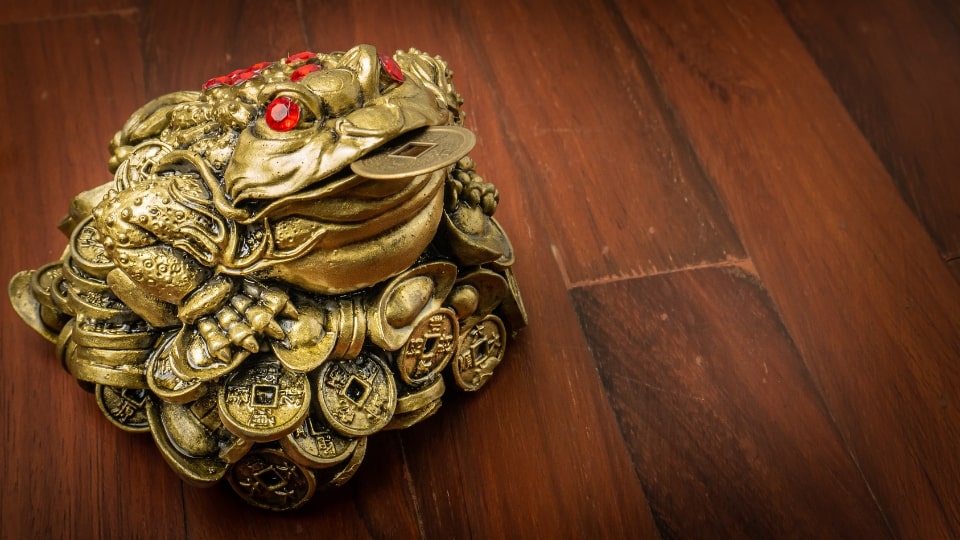
Chan Chu — Feng Shui Money Frog
Origin: A Chinese feng shui symbol often shown as a three-legged frog with coins.
Meaning: Represents wealth entering the home or business and the careful protection of resources.
How to use it: Traditionally placed facing inward near an entrance, not directly on the floor or in a bathroom.
Symbol 9
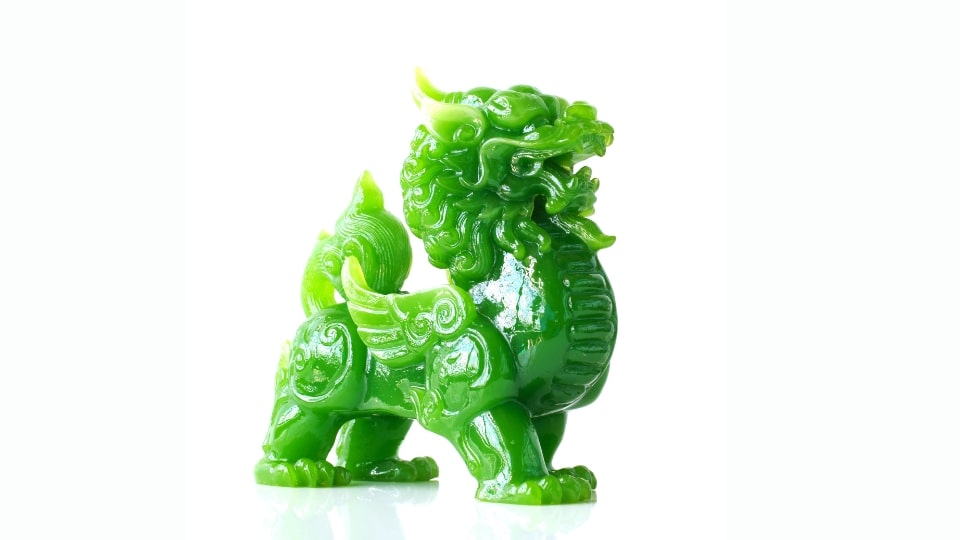
Pixiu — Guardian of Wealth
Origin: A Chinese mythological creature believed to attract wealth and guard accumulated treasure.
Meaning: Symbolises acquisition, protection, and the discipline needed to keep prosperity from leaking away.
How to use it: Use Pixiu as a desk statue or bracelet, but pair the symbol with real habits such as saving and tracking spending.
Symbol 10
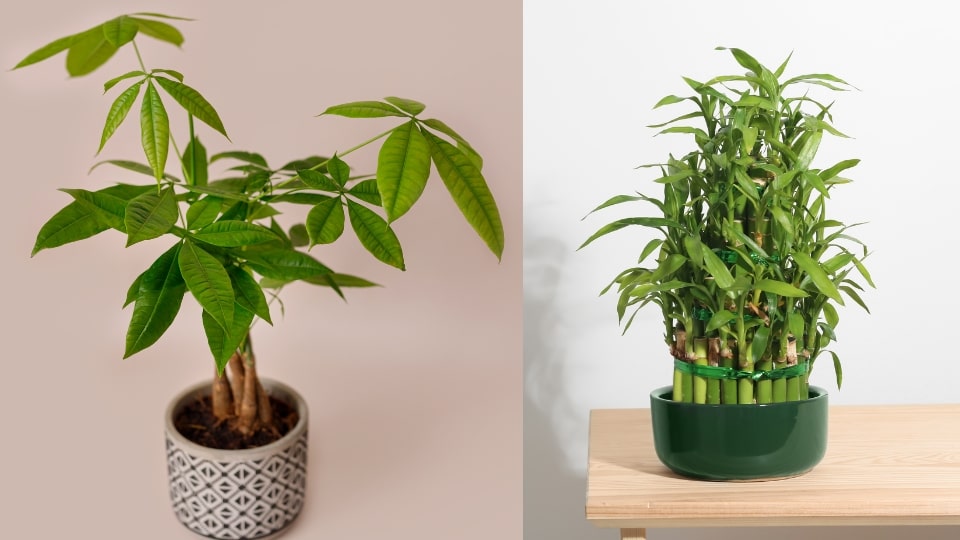
Money Tree and Lucky Bamboo
Origin: Plants such as Pachira aquatica and Dracaena sanderiana are commonly associated with feng shui prosperity.
Meaning: Living symbols of growth, resilience, patience, and consistent nurturing.
How to use it: Place a healthy plant in a bright, cared-for area where it reminds you to nurture your financial life.
Symbol 11
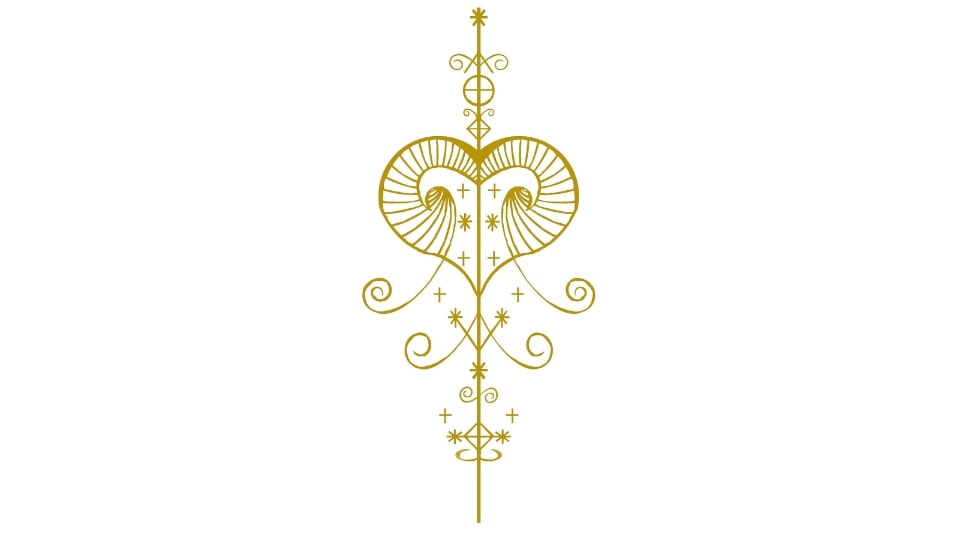
Oshun — Yoruba Goddess of Beauty, Love and Abundance
Origin: Oshun is an orisha in Yoruba religion connected with rivers, sweetness, fertility, beauty, and abundance.
Meaning: Represents prosperity that flows through creativity, love, feminine power, and emotional richness.
How to use it: Approach this symbol respectfully, learning the tradition rather than treating it as decoration only.

Symbol 12
The Number 8 and 888
Origin: The number 8 is widely associated with prosperity in numerology and is considered lucky in several East Asian contexts.
Meaning: Its shape suggests balance, cycles, infinity, and continuous energetic flow.
How to use it: Use 8 or 888 as a journaling cue: write eight money habits, eight gratitude points, or eight practical next steps.
Symbol 13
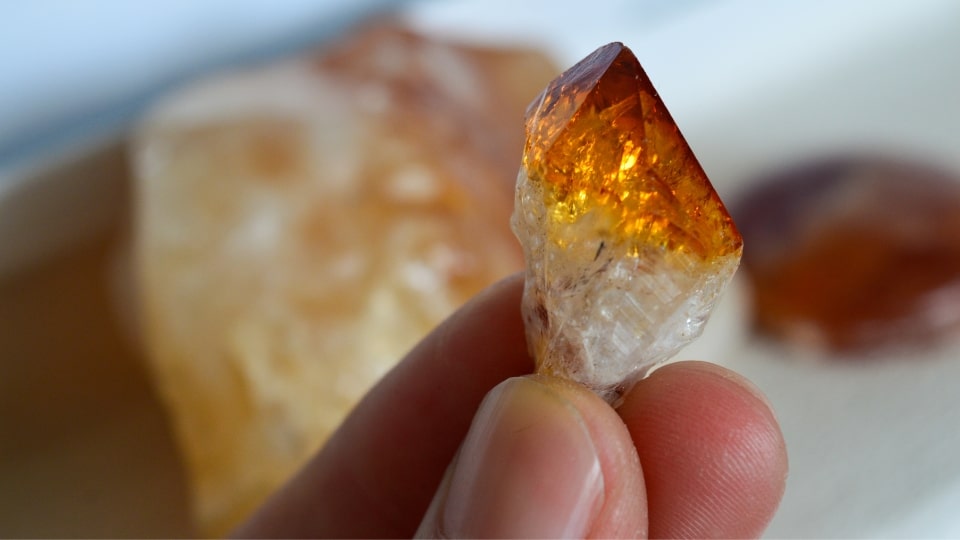
Citrine — The Merchant’s Stone
Origin: A golden-yellow quartz often marketed in crystal traditions as a stone of confidence, success, and commerce.
Meaning: A cheerful symbol of optimism, visibility, confidence, and positive action.
How to use it: Keep citrine near your desk, cash box, or journal as a reminder to act on opportunities rather than only wish for them.

Symbol 14
Pyrite — Fool’s Gold
Origin: A metallic mineral known as fool’s gold because of its bright gold-like appearance.
Meaning: Represents confidence, ambition, protection, and the need to distinguish appearance from real value.
How to use it: Place pyrite on a desk as a reminder to pursue genuine value, not shiny distractions.

Symbol 15
Gold — Universal Symbol of Wealth
Origin: Gold has been valued across cultures for its rarity, beauty, durability, and use in currency, jewellery, and ritual objects.
Meaning: Symbolises status, lasting value, solar energy, achievement, and material security.
How to use it: Use gold as a colour, object, or savings metaphor, but avoid confusing symbolic attraction with risky investment decisions.
A Simple Prosperity Practice With Any Money Symbol
This simple routine works with any symbol from the list. It is spiritual enough to feel meaningful, but practical enough to keep you grounded.
- Choose one symbol and place it near your journal, desk, or budget notebook.
- Write one clear intention, such as “I am building a calm emergency fund” or “I am learning how to earn more with my skills.”
- Name one practical action you will take today: cancel an unused subscription, send a proposal, list an item for sale, or review your spending.
- Take the action before the day ends. This is what turns the symbol into a behaviour trigger.
- End with gratitude for what you already have and the opportunities you are preparing to receive.
Related ChipJourney Guides
Keep Exploring Abundance and Manifestation
For a deeper look at subconscious patterns and prosperity-focused numbers, continue with these related ChipJourney guides.
FAQs About Attracting Money Symbols
What are attracting money symbols?
Attracting money symbols are objects, images, numbers, plants, stones, or sacred designs associated with prosperity, luck, abundance, or financial protection. They are used as intention tools and reminders rather than guaranteed sources of money.
Which symbol is best for attracting money?
There is no single best symbol for everyone. Fehu is useful for earned wealth, Maneki Neko for opportunity, Pixiu for wealth protection, citrine for confidence, and Lakshmi for sacred prosperity. Choose the one that feels meaningful and inspires action.
Do money symbols really work?
They can work as focus tools by reinforcing belief, gratitude, discipline, and repeated action. However, they should not be treated as a guaranteed way to become rich. They are most useful when paired with budgeting, learning, saving, earning, and wise decision-making.
Where should I place money symbols?
Place them somewhere visible and intentional, such as your desk, wallet, journal, business entrance, prayer space, or budget area. Feng shui traditions often use the southeast wealth area, but practical placement matters too: choose a place that reminds you to act.
Can I use more than one money symbol?
Yes, but it is usually better to start with one or two symbols that feel meaningful. Too many symbols can become visual clutter. A focused symbol with one clear financial goal is more useful than a room full of objects with no plan.
Are money symbols safe to use?
Most are safe as decorative or spiritual objects, but they should be used respectfully, especially symbols from living religions and cultures. They should also not replace financial advice, medical advice, legal advice, or responsible planning.
Can money symbols bring instant wealth?
No symbol can honestly guarantee instant wealth. A prosperity symbol may help you focus your mind and actions, but lasting financial improvement usually comes from consistent habits, useful skills, good decisions, and patience.
Sources and Further Reading
Use these resources to continue learning about symbols, wealth traditions, plants, minerals, and related ChipJourney guides.
Affiliate Disclosure: This post may contain affiliate links. If you purchase through these links, I may earn a small commission at no extra cost to you.