
Key Takeaways
- Crystals can be used as calming focus objects, but they should never replace therapy, medication, crisis support, or medical advice for depression.
- Lepidolite, sodalite, tiger’s eye, aquamarine, and black tourmaline are popular choices for grounding, reflection, courage, and emotional comfort.
- The safest way to use crystals is as part of a self-care routine that may also include journaling, meditation, gentle movement, sleep support, and professional help.
- Depression is treatable, and urgent support is available if you feel unsafe, overwhelmed, or at risk of harming yourself.
Searching for the best crystals for depression usually means one thing: you want something gentle, comforting, and symbolic to hold onto during emotionally heavy days. Crystals can offer a beautiful sense of ritual and intention, especially when you use them with breathing exercises, journaling, prayer, meditation, or a quiet evening routine.
Quick Answer: What Are the Best Crystals for Depression?
The most commonly used crystals for emotional support include lepidolite, sodalite, tiger’s eye, aquamarine, black tourmaline, amethyst, rose quartz, and citrine. They are often chosen for symbolic meanings such as calm, courage, grounding, self-compassion, and emotional clarity. They are not proven medical treatments for depression, but many people find them helpful as mindful reminders to slow down, breathe, and care for themselves.
Important Support Note
Depression can be serious. If you feel at risk of harming yourself, feel unable to stay safe, or are in immediate danger, seek urgent help now. In the UK, call 999, go to A&E, contact NHS 111, or call Samaritans on 116 123. In the US, call or text 988. Crystals may be comforting, but they are not a replacement for professional mental health support.
What Crystals Can and Cannot Do for Depression
Crystal healing is a spiritual and personal practice rather than a clinically proven depression treatment. That matters because depression is not just “feeling sad”; it can affect sleep, appetite, energy, concentration, relationships, and the ability to manage daily life.
Used carefully, crystals can still have a place in a wellness routine. They can act as a physical anchor for an intention such as “I will pause before spiralling,” “I will ask for support,” or “I will take one small step today.” In that sense, a crystal becomes less about magic and more about focus, symbolism, and routine.
| Crystals may help as... | Crystals should not be used as... |
|---|---|
| A calming object during breathing, meditation, prayer, or journaling. | A substitute for therapy, medication, crisis support, or a doctor’s advice. |
| A symbolic reminder to practise self-compassion and grounding. | A guaranteed cure for depression, trauma, anxiety, or suicidal thoughts. |
| A gentle part of a wider self-care plan. | A reason to delay urgent mental health care when symptoms are severe. |
Best Crystals for Depression and Emotional Support
The stones below are popular in crystal-healing circles for emotional balance. Choose based on the feeling you want to invite into your routine, rather than expecting the stone itself to “fix” everything.
Lepidolite
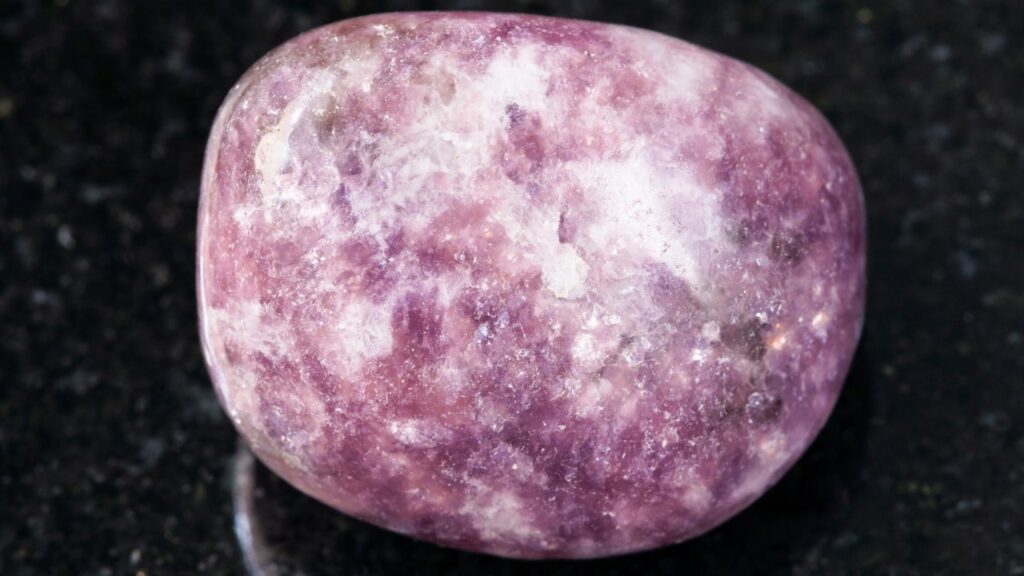
Best for: emotional transitions, stress, and a softer evening routine.
Lepidolite is often associated with calm and emotional balance. Many people use it when they are trying to reduce mental noise, soften self-criticism, or create a more peaceful bedtime ritual.
Find Lepidolite on Amazon →Sodalite
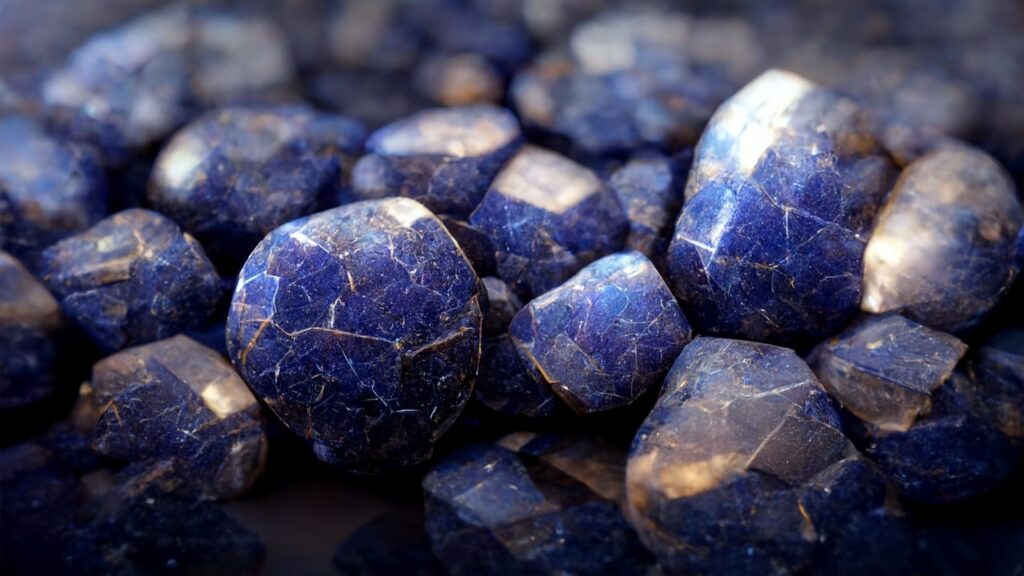
Best for: reflection, clear thinking, and expressing feelings.
Sodalite is commonly linked with calm communication. It can be a helpful focus stone when journaling, naming emotions, or preparing for an honest conversation with someone you trust.
Find Sodalite on Amazon →Tiger’s Eye
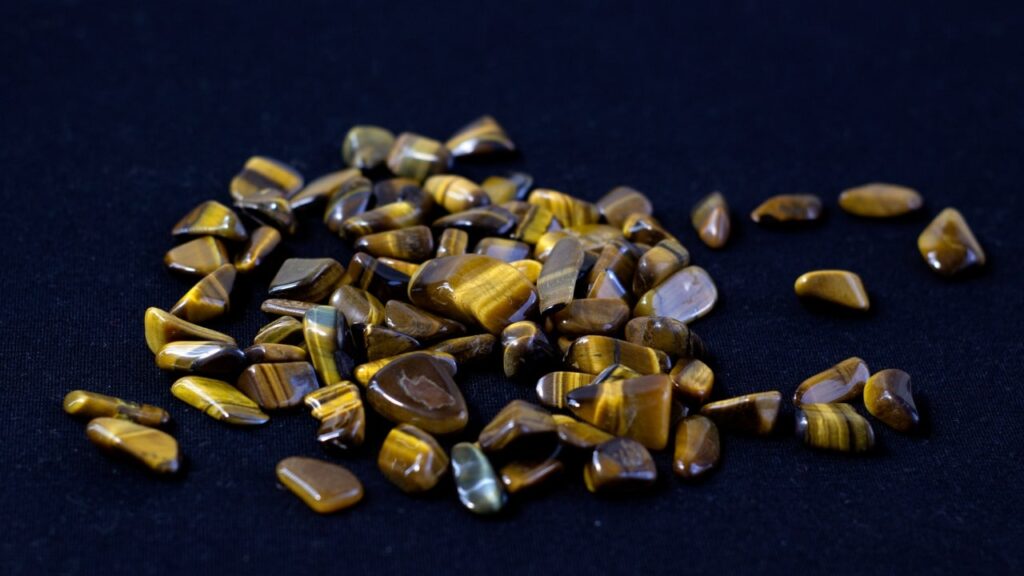
Best for: courage, confidence, and taking small practical steps.
Tiger’s eye is often chosen when someone wants to feel steadier and more capable. It can pair well with action-based self-care, such as going for a short walk, making one phone call, or tidying one small space.
Find Tiger’s Eye on Amazon →Aquamarine
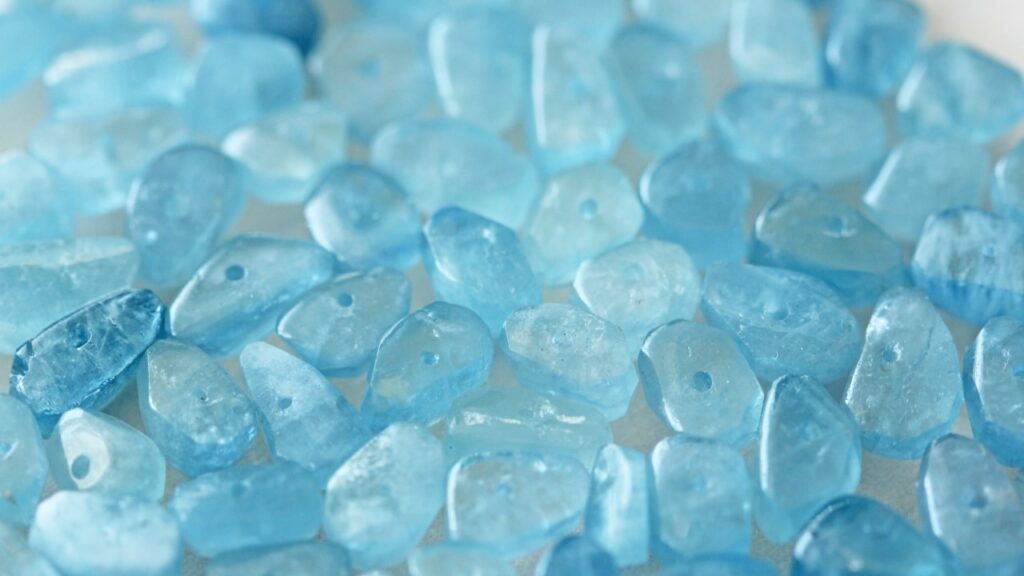
Best for: soothing emotions, breathwork, and gentle clarity.
Aquamarine is associated with calm water energy. It can be useful as a focus object during slow breathing, especially when emotions feel overwhelming or difficult to name.
Find Aquamarine on Amazon →Black Tourmaline
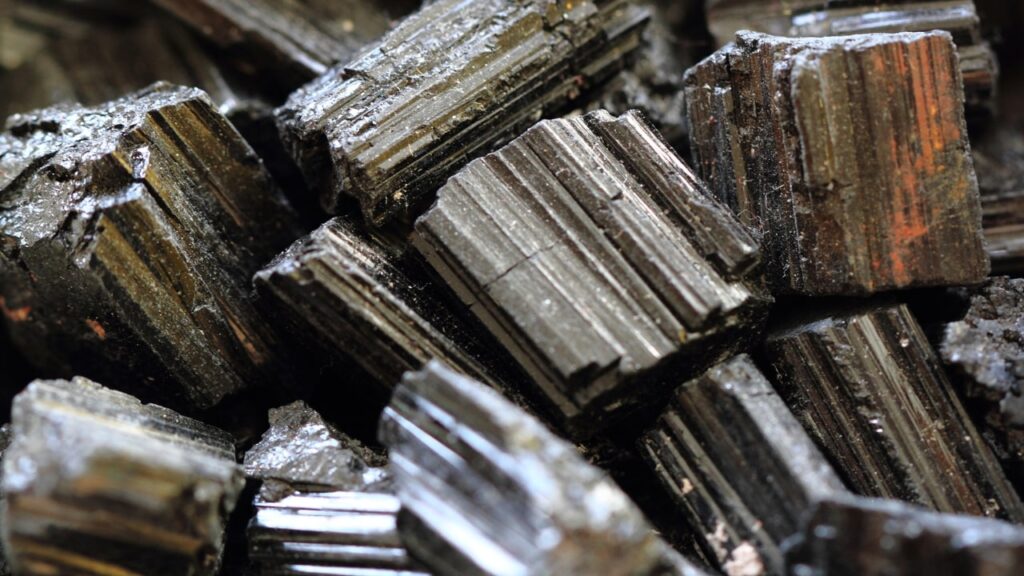
Best for: grounding, boundaries, and feeling protected.
Black tourmaline is often used as a symbolic protection stone. It can be placed near a desk, bedside table, or meditation corner as a reminder to protect your energy and limit what drains you.
Find Black Tourmaline on Amazon →Other Popular Options
Amethyst is often used for calm and sleep routines. Rose quartz is commonly connected with self-compassion. Citrine is often chosen for optimism and motivation.
You do not need a large collection. One stone that feels meaningful is better than many stones that become clutter.
A Gentle Crystal Self-Care Routine for Low Days
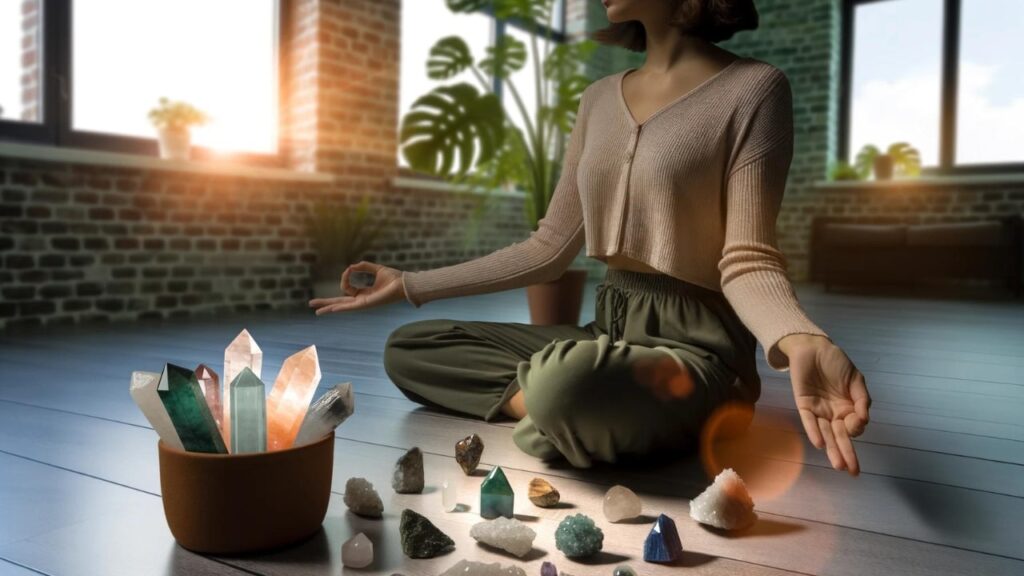
This routine is simple enough for days when energy is low. It is not a treatment plan; it is a small support practice you can combine with therapy, medication, medical advice, or other care.
Choose one stone
Pick the crystal that matches what you need today: calm, courage, grounding, self-kindness, or clarity.
Breathe slowly
Hold the crystal and take five slow breaths. Let your shoulders drop. Notice the texture, weight, and temperature of the stone.
Write one sentence
Journal one honest line: “Today I feel…” or “The smallest helpful step I can take is…”
Take one practical action
Drink water, open a window, message a friend, take medication as prescribed, book an appointment, or step outside for two minutes.
Use gentle movement
Stretch, walk slowly, or try a calming practice such as yoga and gentle physical exercise.
Reach out when needed
If the day feels too heavy, contact a trusted person, therapist, GP, crisis line, or local emergency service.
Choosing the Right Crystal for You

Choosing a crystal is personal. Some people choose by colour, some by meaning, and others by how the stone feels in the hand. There is no perfect rule.
Try asking yourself:
- Do I need calm, courage, comfort, focus, or grounding today?
- Do I want to carry the stone, place it beside my bed, or use it only during meditation?
- Does this crystal feel soothing, or does it make me feel pressured to “be positive” before I am ready?
A helpful crystal should feel supportive, not like another task you are failing at.
Complementary Practices That Pair Well With Crystals
Crystals work best as a reminder to do the things that actually support your nervous system and mental health. These may include:
- Mindfulness or meditation: using the crystal as an anchor for attention.
- Journaling: using the stone as a prompt for honest emotional reflection.
- Gentle movement: stretching, walking, or yoga when your body can manage it.
- Sleep support: creating a low-light evening ritual with less scrolling.
- Professional care: therapy, talking therapies, medical care, or prescribed medication when needed.
Cleansing and Maintaining Your Crystals

Many crystal users like to cleanse their stones as a symbolic reset. Keep it simple and safe. Not every crystal should be placed in water, sunlight, or salt, because some stones can fade, crack, dissolve, or become damaged.
| Method | Best for | Safety note |
|---|---|---|
| Moonlight | A gentle symbolic reset. | Usually safer than water for delicate stones. |
| Sound cleansing | Meditation bowls, bells, or calming music. | No physical contact needed. |
| Breath and intention | Quick daily use. | Hold the stone and set one simple intention. |
| Water | Hard, water-safe stones only. | Avoid water for soft, porous, or metallic stones unless you are sure it is safe. |
When to Seek Professional Help
Use crystals for comfort, but please get proper support if depression is affecting your daily life. It is especially important to seek help if you notice persistent low mood, loss of interest, changes in sleep or appetite, hopelessness, panic, isolation, substance misuse, or thoughts of self-harm.
Professional support is not a failure of spirituality. It is care. You can still use crystals, prayer, meditation, or journaling alongside evidence-based support.
FAQs About the Best Crystals for Depression
Can crystals cure depression?
No. Crystals are not proven to cure depression and should not replace therapy, medication, medical care, or crisis support. They may be used as comforting focus objects within a wider wellness routine.
What crystal is best for depression?
Lepidolite, sodalite, tiger’s eye, aquamarine, black tourmaline, amethyst, rose quartz, and citrine are commonly used for emotional support. The best choice is the one that feels calming, meaningful, and easy to use consistently.
How should I use crystals when I feel low?
Hold one crystal while breathing slowly, journaling one sentence, praying, meditating, or taking one small supportive action. Keep the practice gentle and realistic.
Can I use more than one crystal at once?
Yes, but you do not need many. A small set of two or three stones can be enough: one for calm, one for grounding, and one for courage.
Should I tell my therapist or doctor I use crystals?
Yes, especially if crystals are part of your mental health routine. A good professional can help you integrate supportive rituals safely without delaying evidence-based care.
What should I do if I feel unsafe?
Seek urgent support immediately. In the UK, call 999, go to A&E, contact NHS 111, or call Samaritans on 116 123. In the US, call or text 988. Use local emergency services in your country if you are elsewhere.
Sources and Further Reading
Affiliate Disclosure: This post contains affiliate links. If you purchase through these links, I may earn a small commission at no extra cost to you.