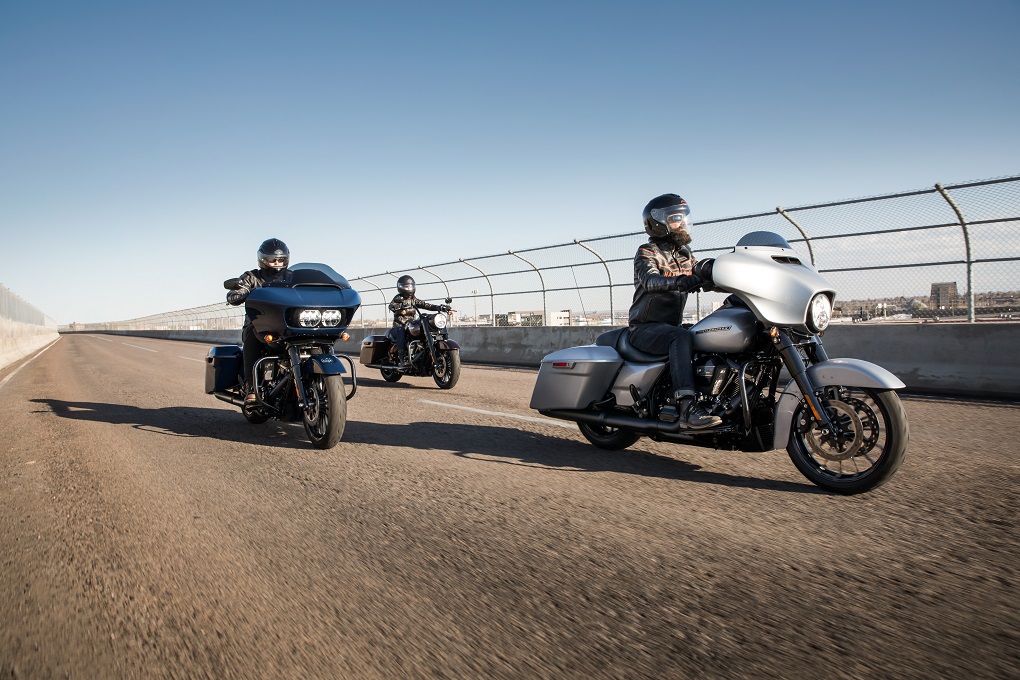
Key Takeaways
- Travelling with motorcycle gear is about safety, comfort and balance. Pack only what you need, secure it properly, and keep the bike stable.
- Your helmet, jacket, gloves, trousers and boots are not optional decoration. They are protective gear that should match the route, weather and riding conditions.
- Keep daily-use items separate from deep luggage. Your phone, power bank, documents, water, first aid, rain layer and toolkit should be easy to reach.
- Do not overload one side of the motorcycle. Poor weight distribution can affect handling, braking and comfort.
- This rebuilt guide preserves the original featured image, article images, Amazon gear links, RideApart link, backpack link, solo-travel link, author credit, ads, share buttons, comments, sidebar and layout.
Motorcycle travel feels different from ordinary travel. You feel the road, the wind, the weather and the landscape in a direct way. You can stop at viewpoints, camp near quiet places, explore small towns and take routes that would feel boring in a car.
But a motorcycle trip also needs more careful preparation. Space is limited, weather matters more, and the wrong gear can affect comfort and safety. This rebuilt guide turns the original post into a more complete motorcycle travel packing and safety guide while keeping the original images, links and core ideas.
Quick Answer: How Do You Travel With Motorcycle Gear?
Travel with motorcycle gear by choosing protective riding equipment first, packing clothes and camping items into secure weather-resistant luggage, keeping tools and first aid easy to reach, balancing weight evenly on the bike, checking straps before every ride, and preparing for rain, heat, cold and breakdowns. Your best setup is not the biggest one; it is the one that keeps you protected, organised and in control.
Protective Motorcycle Gear Comes First
Before thinking about gadgets, speakers or extra clothes, start with protective riding gear. A motorcycle trip exposes you to road surface, weather, wind, insects, heat, cold and other vehicles. Good gear helps reduce injury risk and makes long days more comfortable.
| Gear | Why It Matters | Packing Tip |
|---|---|---|
| Helmet | Protects your head and face and may be legally required depending on location. | Carry it in a helmet bag when off the bike. |
| Jacket | Protects against abrasion, wind, rain and temperature changes. | Choose ventilation or liners based on climate. |
| Gloves | Protect hands from weather, vibration and road contact. | Carry waterproof or cold-weather gloves for longer trips. |
| Trousers | Protects legs better than ordinary jeans in a fall. | Consider waterproof over-trousers for wet routes. |
| Boots | Support ankles and protect feet from road, heat and impact. | Break them in before a long ride. |
1. Use Compression Luggage And Pack Light
A large compression luggage bag or motorcycle tail bag can carry clothes, toiletries, camp gear and other items while using less space on the bike. Choose luggage that attaches securely and does not slide, swing or interfere with the exhaust, chain, wheel or lights.
For long-distance riding, divide your gear into three groups: items you need while riding, items you need at stops, and items you only need at camp or accommodation.
Riding items
Documents, phone, wallet, water, rain layer, gloves, sunglasses and emergency contacts.
Stop items
Power bank, snacks, sunscreen, camera, basic first aid and toiletries.
Overnight items
Clothes, towel, sleepwear, camping gear and deeper luggage items.
Bike items
Toolkit, tyre repair, spare fuses, chain lube, straps and emergency light.
2. Pack A Motorcycle Toolkit
Many bikes have a small factory toolkit, but it may not be enough for a longer trip. If you ride remote roads, a simple toolkit and tyre-repair plan become more important.
| Item | Why Pack It? |
|---|---|
| Basic bike-specific tools | Helps with simple adjustments and minor roadside issues. |
| Tyre repair kit | Useful for punctures if compatible with your tyre type. |
| Mini pump or CO₂ inflator | Needed after a tyre repair. |
| Spare fuses and bulbs | Small items that can solve annoying electrical problems. |
| Cable ties and tape | Useful for temporary roadside fixes. |
| Chain lube if needed | Important for chain-driven bikes on longer trips. |
| Emergency light | Helps if you need to work near the roadside after dark. |
3. Extra Clothes And Overnight Gear
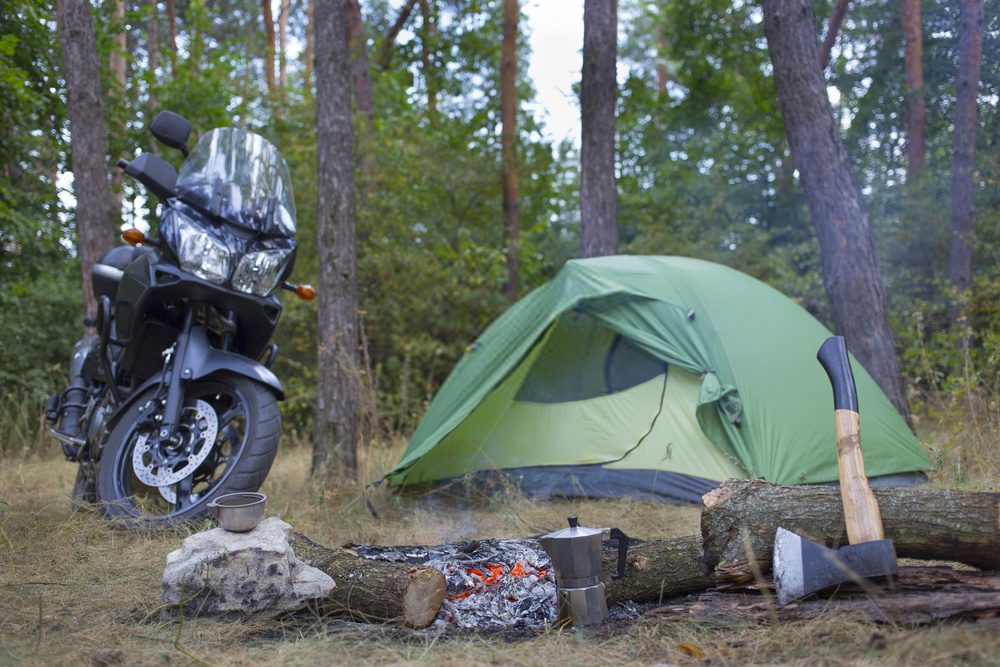
If you will be away for more than 24 hours, pack lightweight clothing that dries quickly. Avoid taking too many bulky items. A few smart layers are usually better than a bag full of cotton clothes.
- One dry base layer or T-shirt for sleeping.
- Spare socks and underwear.
- Lightweight shorts or trousers for camp or accommodation.
- Swimwear if the route includes beaches, pools or lakes.
- A warm layer for evenings.
- Compact towel and wash kit.
If you plan to camp, keep your sleep clothes dry and separate from riding gear. For cold nights, see also: How To Stay Warm While Tent Camping.
4. First Aid, Toiletries And Sun Protection
The original article mentioned painkillers and toiletries. That is useful, but it is safer to think in terms of a small first aid and personal-care kit. Bring medication you already know you can take safely, and speak to a doctor before carrying antibiotics or unfamiliar medicine.
- Personal medication
- Plasters and blister care
- Small bandage
- Antiseptic wipes
- Pain relief you can safely use
- Sunscreen
- Lip balm
- Toothbrush
- Toothpaste
- Hand sanitiser
- Insect repellent
- Emergency contacts
5. Intense Weather Gear

Motorcycle weather changes fast. Rain, wind, heat and cold feel stronger on a bike than they do in a car. The original article recommended motorcycle gloves and a wool icebreaker layer, and both links are preserved here.
Rain
Carry waterproof gloves, rain over-jacket, over-trousers and waterproof luggage covers.
Cold
Use warm layers, neck tube, thermal base layer and dry gloves.
Heat
Use ventilation, hydration stops, sun protection and lightweight breathable layers.
Wind
Secure all straps and choose layers that reduce wind chill without restricting movement.
6. Choose A Proper Motorcycle Helmet
A helmet is one of the most important pieces of motorcycle gear. Choose one that fits correctly, meets the legal requirements where you ride, and feels comfortable enough for long travel days.
The original post linked to RideApart’s advice on flying with motorcycle gear, preserved here: how to fly with motorcycle gear. This is useful if your trip includes a flight before renting or riding a bike abroad.
- Check the helmet law and standard for your country or destination.
- Replace a helmet after significant impact or according to the manufacturer’s guidance.
- Keep the visor clean and carry a microfibre cloth.
- Use a helmet bag when carrying it off the bike.
7. Backpack And Daily Essentials
The original article recommended using a backpack for routine items. A backpack can be useful, but it should not be overloaded because heavy weight on your shoulders can become tiring and may affect comfort.
Original internal link preserved: packing advice for backpacking.
| Item | Best Place | Reason |
|---|---|---|
| Phone and wallet | Secure jacket pocket or small tank bag. | Quick access and better security. |
| Power bank | Backpack or tank bag. | Easy to use at stops. |
| Clothes | Tail bag, pannier or dry bag. | Too bulky for a riding backpack. |
| Toolkit | Low and secure on the bike. | Heavy items should not sit high on your back. |
| Camera | Padded pocket or small bag. | Protects from vibration and rain. |
8. Power Bank, Speaker And Action Camera
Electronics can make a motorcycle trip easier and more memorable, but only if you protect them from rain, vibration and battery drain. A power bank is useful for phones, cameras and navigation backup. An action camera can record scenic routes without constantly handling your phone.
Power bank
Choose enough capacity for your phone, navigation and emergency backup.
Action camera
Secure mounts properly and check battery and memory before long scenic sections.
Bluetooth speaker
Best used at camp, beach stops or accommodation, not as a distraction while riding.
Charging cables
Pack short, durable cables and keep them dry in a small pouch.
Headphones, Noise And Riding Safety
The original post mentioned noise-cancelling headphones. For safety, avoid using noise-cancelling headphones in a way that blocks important traffic sounds while riding. Some places also have rules about headphones or earphones on motorcycles.
For long rides, many riders prefer properly fitted earplugs designed to reduce wind noise while still allowing awareness, or helmet communication systems used responsibly. Keep music low enough that you can remain aware of the road.
Packing Balance And Security
How you pack matters as much as what you pack. Poorly secured luggage can shift, touch hot exhaust parts, block lights, affect cornering or make the bike harder to control.
- Keep heavy items low and centred.
- Balance weight evenly between left and right sides.
- Use proper straps, not loose rope that can flap or loosen.
- Check luggage clearance from exhaust, chain, wheel and suspension.
- Keep reflective gear and lights visible.
- Re-check straps after the first few miles and at every fuel stop.
- Use waterproof bags or dry bags for clothes and electronics.
- Keep documents, insurance and emergency contacts accessible.
Motorcycle Travel Gear Checklist
| Category | What To Pack |
|---|---|
| Protective gear | Helmet, jacket, gloves, trousers, boots and reflective items. |
| Luggage | Tail bag, panniers, dry bags, compression bag and secure straps. |
| Toolkit | Basic tools, tyre repair, pump/inflator, fuses, tape and cable ties. |
| Clothes | Dry layers, spare socks, sleep clothes, rain layer and warm layer. |
| Health | First aid, medication, sunscreen, toiletries and emergency contacts. |
| Electronics | Phone, charger, power bank, action camera and waterproof pouch. |
| Documents | Licence, insurance, registration, booking details and travel documents. |
| Food and water | Water bottle, snacks and simple emergency food. |
FAQ About Travelling With Motorcycle Gear
What motorcycle gear should I never skip on a trip?
Do not skip a proper helmet, protective jacket, gloves, riding trousers and boots. These are the core items that protect you from weather, road contact and long-ride fatigue.
How do I pack motorcycle gear without overloading the bike?
Pack only what you need, use compression bags, keep heavy items low and centred, balance the left and right sides, and secure luggage with proper motorcycle straps.
Can I ride with a backpack?
You can, but keep it light. Heavy backpacks can become uncomfortable and may affect fatigue. Put bulky or heavy items in panniers, a tail bag or dry bags fixed to the bike.
Should I wear noise-cancelling headphones while riding?
It is usually better to avoid blocking important road sounds. Check local laws and use any helmet audio or ear protection responsibly so you remain aware of traffic and hazards.
What should I pack for rain on a motorcycle trip?
Pack waterproof gloves, rain jacket or over-suit, waterproof luggage covers, dry bags, spare socks and a plan for drying gear overnight.
How do I travel by plane with motorcycle gear?
Check airline baggage rules, protect your helmet, remove restricted items from luggage, and consider wearing bulky riding clothing if practical. Always check current airline rules before flying.
Sources And Further Reading
- NHTSA: Motorcycle safety
- NHTSA: Choose the right motorcycle helmet
- GOV.UK: Motorcycle helmet law
- GOV.UK: Highway Code rules for motorcyclists
- CDC: Sun safety
- American Red Cross: First aid training
- GOV.UK: Foreign travel advice
- MoneyHelper: Travel insurance guide
- ChipJourney: How Does It Feel To Travel Alone?
- ChipJourney: How To Choose A Great Vehicle For Long Road Trips
- ChipJourney: How To Travel Cheap
Affiliate Disclosure And Recommended Gear Links
This article preserves the original affiliate and product links from the uploaded post. ChipJourney may earn a small commission if you buy through those links, at no extra cost to you. Always check current product specifications, safety standards, sizing and return policies before buying motorcycle gear.
Final Thoughts
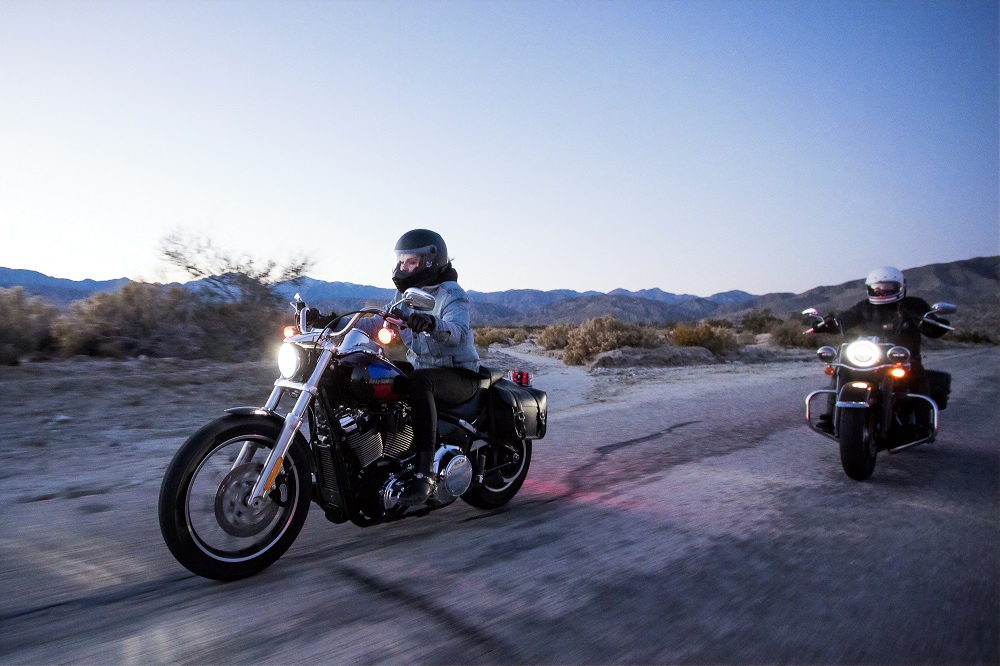
Motorcycle travel gives you freedom, but it rewards preparation. Pack light, protect yourself first, balance your luggage, prepare for weather and keep your most important tools close. The better organised your gear is, the more you can focus on the ride, the route and the adventure ahead.
Written By Boyan Minchev