Key Takeaways
- The best way to sleep on a plane is to prepare before boarding: choose the right seat, pack only what you need, avoid caffeine and bring simple comfort items.
- A window seat is usually best for sleeping because you can lean against the side and avoid being disturbed by other passengers leaving their seats.
- Use a travel pillow, eye mask, blanket and headphones to reduce light, noise, cold air and neck discomfort.
- Buckle your seatbelt over your blanket so cabin crew can see it without waking you during checks.
- Be careful with sleep aids and alcohol. Speak to a doctor before using medication, especially if you have health conditions or are taking a long-haul flight.
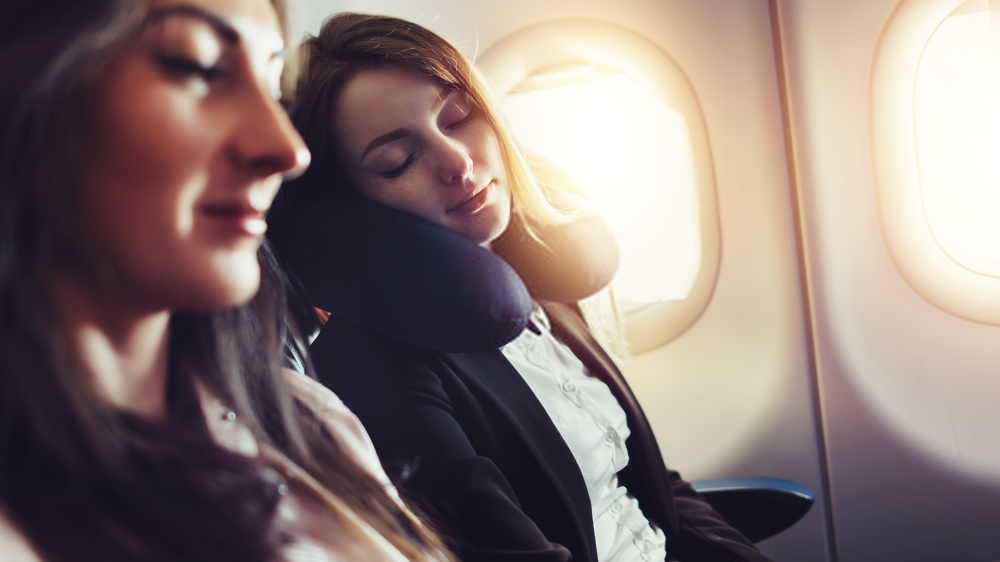
Sleeping on a plane is not always easy. Seats are narrow, the cabin is noisy, lights turn on and off, passengers move around, and your body may not understand why it is supposed to sleep at 35,000 feet. Still, a good in-flight sleep is possible when you plan for comfort before the flight starts.
This guide rebuilds the original plane-sleeping tips into a more useful long-flight sleep plan, while preserving the helpful original product links, author link and internal long-haul travel link.
Quick Answer: What’s the Best Way to Sleep on a Plane?
The best way to sleep on a plane is to book a window seat if possible, pack lightly, avoid caffeine before and during the flight, wear comfortable clothes, use a neck pillow, eye mask, blanket and noise-reducing headphones, buckle your seatbelt over your blanket, and set your phone to the destination time if you are crossing time zones. Try to relax early instead of waiting until the flight is almost over.
In This Guide
Quick Plane Sleep Plan
Use this simple selector to build a sleep plan based on your flight type and seat.
Example: For a long-haul window seat, use a neck pillow, eye mask, headphones, travel blanket and visible seatbelt before trying to sleep.
Plane Sleep Tips Compared
| Tip | Why It Helps | Best For | Common Mistake |
|---|---|---|---|
| Pack lightly | Creates more legroom and less stress under the seat | All flights | Keeping too many bags at your feet |
| Choose a window seat | Gives you a side to lean on and reduces disturbance | Sleep-focused travellers | Choosing the last row near toilets |
| Avoid caffeine | Helps your body wind down more easily | Daytime and overnight flights | Drinking coffee because the flight feels boring |
| Use a neck pillow | Supports your head and reduces neck strain | Economy and long-haul flights | Using a pillow that is too soft or bulky |
| Eye mask + headphones | Reduces light and sound distractions | Cabin lights, crying babies and busy rows | Waiting until you are already irritated |
| Visible seatbelt | Helps avoid being woken for checks | Anyone sleeping under a blanket | Hiding the belt under a blanket |
Start with Minimal Packing

Too much cabin baggage can make sleeping harder. If your foot space is filled with bags, jackets, cables and random items, you may feel cramped before the plane even takes off.
Keep only essentials near you: water, headphones, eye mask, travel pillow, blanket, medication, phone, charger and anything you genuinely need during the flight. Put non-essential items in the overhead bin or checked luggage when possible.
For longer journeys, you may also enjoy the related ChipJourney guide on long haul flights.
Choose Your Seat Wisely
A good seat does not guarantee perfect sleep, but it can make sleep much easier. A window seat is usually the best option because you can lean against the wall, avoid people climbing over you, and control the window shade if your row allows it.
- Window seat: best for leaning and fewer interruptions.
- Aisle seat: best if you need to move often or stretch your legs.
- Middle seat: hardest for sleeping, so comfort accessories matter more.
- Avoid rows near toilets if possible: foot traffic, light and noise can disturb sleep.
Skip Caffeine at the Right Time
Caffeine can stay active in the body for hours, so drinking coffee before or during a flight can make it harder to sleep. This matters even more on overnight flights or when you are trying to adjust to a new time zone.
Water is usually a better choice before sleep. Juice may be fine for some travellers, but avoid drinking so much liquid that you keep waking up for the toilet.
Blankets, Pillows and Comfort Items
Cabins can feel colder than expected, especially when you are sitting still for hours. A light travel blanket can help you feel warmer and more settled.
A supportive travel pillow can reduce neck strain. The original article mentioned the ComfoArray Travel Pillow as a neck-comfort option. The best pillow for you is the one that supports your sleeping position without pushing your head too far forward.
Eye Mask
An eye mask helps block cabin lights, screens and daylight during daytime flights.
Headphones
Noise-reducing headphones can soften cabin noise. The original article mentioned Beats Solo 3 as a long-haul option.
Compression Socks
Compression socks can support circulation on long flights, especially when combined with movement and hydration.
Small Comfort Kit
Pack lip balm, hand cream, tissues, earplugs and any essential medication in a small pouch.
Buckle Your Seatbelt Over the Blanket
If you sleep under a blanket, buckle your seatbelt over it. This lets cabin crew see that you are safely buckled without needing to wake you during turbulence or routine checks.
It is a small habit, but it can protect your sleep on long flights.
Free Your Feet Carefully
Comfortable feet make it easier to relax. Choose shoes that slip on and off easily, but be considerate of other passengers and keep socks on. On long flights, move your ankles, stretch when safe and avoid staying completely still for too long.
If you use compression socks, put them on before your legs feel swollen and make sure they fit properly.
Wear Comfortable Clothes
For short flights, normal travel clothes may be fine. For long-haul flights, choose soft, breathable layers that do not dig into your waist, neck or shoulders. A hoodie, loose trousers, soft T-shirt and warm socks can make a big difference.
- Wear layers because cabin temperature can change.
- Avoid tight waistbands when sitting for many hours.
- Use soft fabrics that do not scratch or overheat.
- Pack a fresh top if you want to arrive feeling cleaner after an overnight flight.
Long-Haul Flight and Jet Lag Tips
Sleeping on a plane is partly about comfort and partly about timing. If you are crossing time zones, try to adjust gently toward the destination schedule. You do not need a perfect plan, but small decisions help.
Set Destination Time
Change your phone clock after boarding so your mind starts thinking in destination time.
Use Light Wisely
Use an eye mask when trying to sleep and seek daylight after arrival when appropriate.
Move When Awake
Walk or stretch when the seatbelt sign is off to reduce stiffness and restlessness.
Be Careful with Alcohol
Alcohol may make you sleepy at first, but it can worsen sleep quality and dehydration.
Plane Sleep Packing Checklist
- Travel pillow
- Light blanket or large scarf
- Eye mask
- Noise-reducing headphones or earplugs
- Compression socks for long flights
- Water bottle after security, where allowed
- Comfortable layers
- Lip balm and hand cream
- Any essential medication
- Phone charger or power bank
Health Note About Sleep Aids
If you have a sleep disorder, anxiety about flying, medical conditions or are thinking about taking a sleep aid, speak with a qualified healthcare professional first. Do not mix sleep medication with alcohol, and avoid trying a new medication for the first time on a plane.
Conclusion: Make Sleep Easy Before You Try to Sleep
The best way to sleep on a plane is to remove as many problems as possible before they start. Choose the best seat you can, keep your space clear, avoid caffeine, wear comfortable clothes and use simple tools like an eye mask, pillow, blanket and headphones.
Plane sleep may never feel like your bed at home, but with the right setup, a long flight can feel calmer, warmer and much easier to handle.
Written by Boyan Minchev
FAQ
What is the best seat for sleeping on a plane?
A window seat is usually best for sleeping because you can lean against the side and are less likely to be disturbed by passengers leaving the row.
Should I take a sleeping pill on a plane?
Only take sleep medication if a qualified healthcare professional has advised it for you. Avoid mixing sleep aids with alcohol and do not test a new medication for the first time during a flight.
How do I sleep on a plane in economy class?
Use a neck pillow, eye mask, headphones or earplugs, comfortable layers and a visible seatbelt. Keep your foot space clear and recline only when appropriate.
Is it better to sleep or stay awake on a long flight?
It depends on the timing and destination. On overnight flights, sleeping can help. If you are changing time zones, try to match sleep with the destination schedule when possible.
Should I drink coffee before a flight?
If you want to sleep, avoid caffeine before and during the flight, especially on overnight journeys. Water is usually a better choice for sleep and comfort.
How can I stop neck pain when sleeping on a plane?
Use a supportive travel pillow, avoid letting your head fall too far forward, choose a window seat when possible and adjust your position before you become uncomfortable.
Sources and Further Reading
Affiliate Disclosure
Some links on ChipJourney may be affiliate links. If you buy through a qualifying link, we may earn a small commission at no extra cost to you. This helps support the site and keeps our travel guides free to read.