Key Takeaways
- Yes, India can be an excellent travel destination if you want culture, food, history, wildlife, spiritual sites, big cities, mountains and strong value for money.
- India is not a “one-size-fits-all” destination. Delhi, Rajasthan, Kerala, Goa, Mumbai, Varanasi, the Himalayas and wildlife parks all feel very different.
- First-time visitors should plan carefully. Check visa rules, travel advice, health preparation, transport options, food hygiene, weather and itinerary pace before booking.
- This rebuilt guide preserves the original images, India links, GetYourGuide Delhi widget, Wagah Border YouTube video, hotel affiliate link, author credit, ads, share buttons, comments, sidebar and layout.
- The original article’s answer is still clear: “Yes!” India is a good travel destination — but it is best enjoyed with realistic expectations and good preparation.

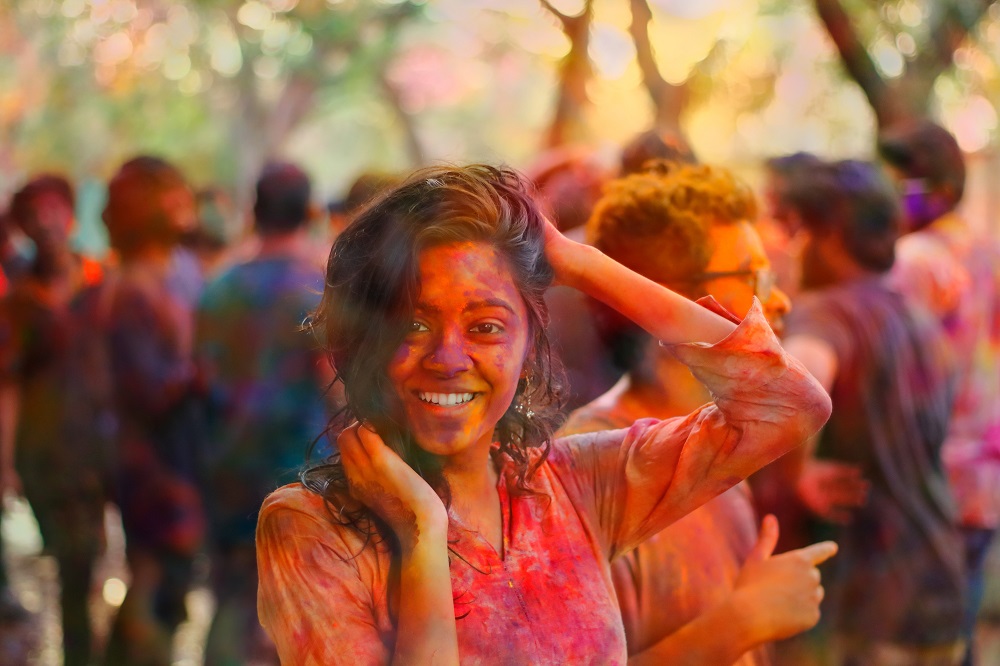
A single-word answer is easy: yes, India is a good travel destination. But the better answer is more interesting. India can be colourful, intense, affordable, spiritual, chaotic, beautiful, noisy, peaceful, delicious and overwhelming — sometimes all in the same day.
This rebuilt guide keeps the personal travel spirit of the original post while making the article more useful for modern readers. It explains why India is worth visiting, what first-time travellers should prepare for, where the original highlights fit, and how to avoid common mistakes.
Quick Answer: Is India A Good Travel Destination?
Yes, India is a good travel destination for travellers who enjoy culture, history, food, wildlife, spiritual places, colourful cities, affordable travel and dramatic landscapes. It is best for people who are willing to plan properly, respect local customs, manage heat and crowds, and stay flexible when transport or city life feels intense.
Why India Is Worth Visiting
India is not just one kind of trip. It can be a food trip, a spiritual journey, a wildlife holiday, a city break, a backpacking route, a history tour, a palace stay, a beach escape or a mountain adventure.
The original post described India as a land of many people, religions, lifestyles and old heritage. That variety is still the main reason India stands out: you can move from ancient monuments to modern cafés, from intense markets to quiet temples, and from desert cities to Himalayan landscapes.
For a related internal guide, read: What Is The Best Place In India To Visit?
Culture
Temples, mosques, gurdwaras, festivals, markets, music and regional traditions make the country feel layered and alive.
History
Forts, palaces, Mughal monuments and old cities give travellers a close look at India’s past.
Nature
India offers mountains, coastlines, deserts, forests, rivers, wildlife parks and hill stations.
Value
Many travellers can find affordable food, transport and accommodation compared with several other long-haul destinations.
Visiting India For The First Time
India can be wonderful for first-time travellers, but it is easier when you do not try to see everything in one trip. Choose a focused route, give yourself recovery time, and plan around weather, transport and your comfort level.
| First-Time Tip | Why It Helps |
|---|---|
| Start with one region | India is huge, and long transfers can drain your energy. |
| Book the first nights in advance | Arriving with confirmed accommodation reduces stress. |
| Use official visa information | Visa rules and eligibility can change, so check before booking. |
| Read health advice early | Vaccines, medicines and food-safety planning may need time. |
| Respect local customs | Dress, temple rules, photography and behaviour expectations vary. |
| Keep plans flexible | Traffic, trains, heat, crowds and delays can change your day. |
1. India Can Be Affordable
The original article highlighted India as a comparatively cheap travel destination, and that can be true for many travellers. Local food, trains, buses, budget hotels and shared transport can help reduce costs.
However, the real budget depends on your comfort level. Luxury hotels, private drivers, domestic flights, guided tours and peak-season stays can raise the cost quickly. Compare the full trip cost, not just one meal or one hotel night.
Original source links preserved: price competitiveness report coverage and Taj Mahal.
2. The Food
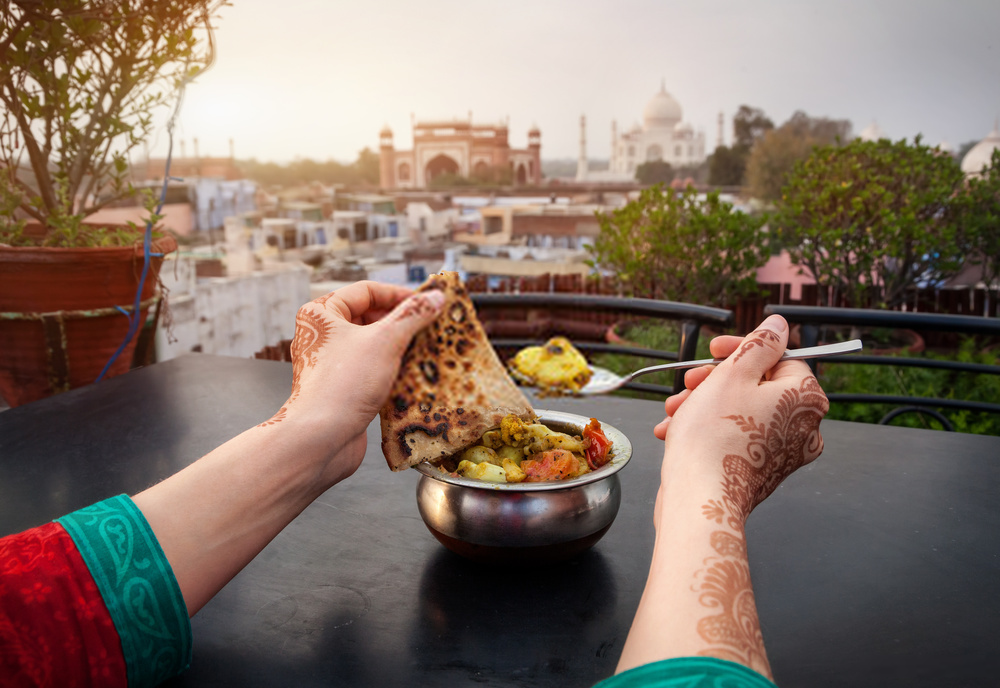
Food is one of India’s strongest travel experiences. Depending on where you go, you can find rich curries, breads, rice dishes, street snacks, sweets, vegetarian meals, regional thalis, coastal seafood and modern café culture.
The original article mentioned dishes like kebab, karahi, qorma, naan and parathas. Those flavours can be unforgettable, but food safety matters too. Choose busy places with high turnover, drink safe water, wash hands, and be careful with raw foods if your stomach is not used to local conditions.
3. Delhi And Big-City Energy
Delhi can be exciting, historic, noisy and intense. The original article called it a city that never sleeps, with temples, mosques, parks, entertainment and different communities living side by side.
Original Delhi-related links preserved: Hindus, Sikhs, famous temples in Delhi and Azaan.
For first-time visitors, Delhi is easier with a slower pace: choose a good neighbourhood, plan fewer stops per day, use trusted transport, and do not underestimate traffic.
4. The Wagah Border Ceremony
The original article included the Wagah-Attari Border Ceremony, and the YouTube link has been converted into a responsive embedded video for a better mobile layout.
The ceremony is known for its parade, crowd energy and symbolic border-closing ritual. Before planning a visit, check current timings, rules, crowd conditions and transport options, because details can change.
5. Heritage, Palaces And “Living Like The Old People Used To”
The original post described India’s old monuments, Mughal history and the chance to experience heritage-style stays. That is one of India’s most memorable sides: forts, palaces, old cities and heritage hotels can make a trip feel deeply atmospheric.
Original link preserved: Mughal kings. Original hotel link preserved: heritage hotels.
- Palace stays
- Historic forts
- Old city walks
- Architecture tours
- Local guides
- Heritage restaurants
- Traditional crafts
- Museum visits
6. The Wildlife
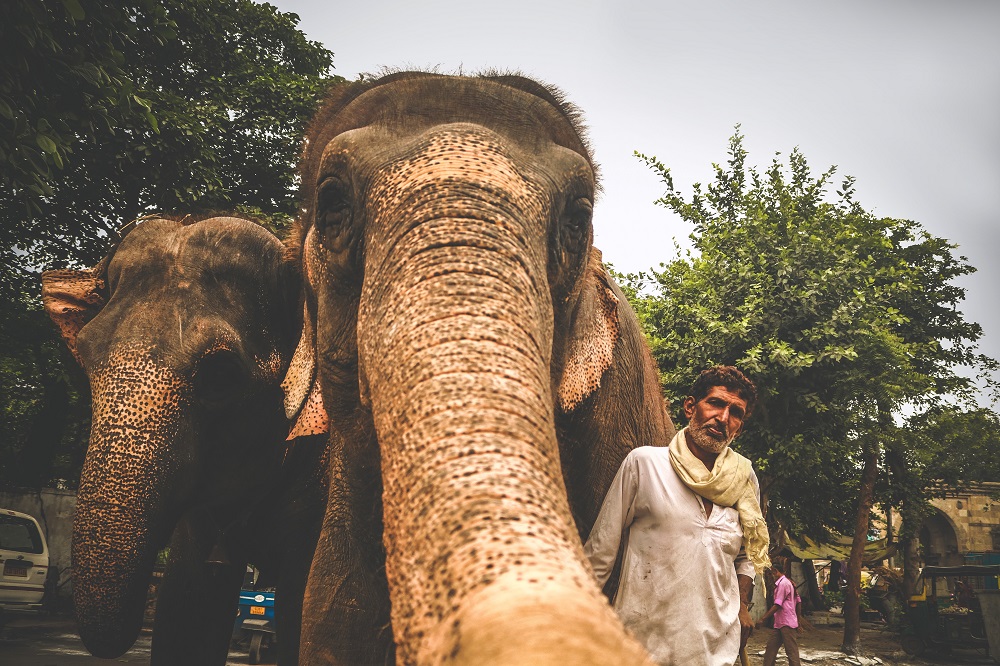
India has remarkable wildlife, including elephants, rhinos, big cats, birds and many regional species. The original article mentioned seeing lions, tigers and unusual animals from close range.
For safety and ethics, choose responsible wildlife experiences. Keep distance, follow park rules, avoid feeding animals, and do not support attractions that allow unsafe or exploitative animal contact.
Original wildlife link preserved: Wildlife of India.
7. Hiking The Himalayas
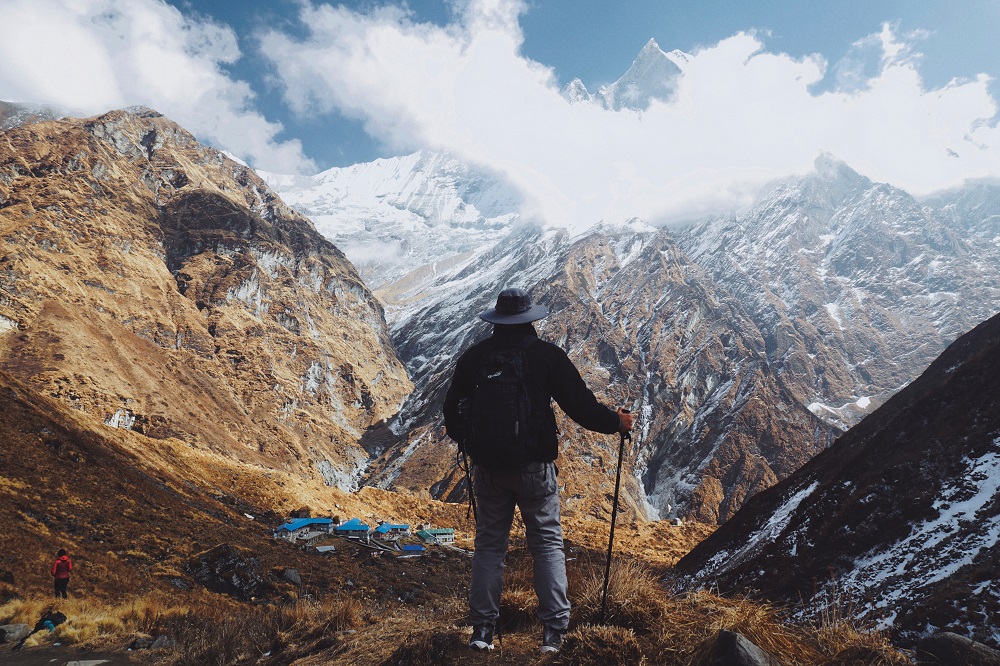
The original article ended with hiking in the Himalayas, and that remains one of India’s strongest adventure draws. Mountain trips can be breathtaking, but they need more preparation than ordinary city travel.
Plan routes carefully, check altitude, weather, guide quality, permits, transport, emergency access and your fitness level. For more planning help, read how to prepare for long distance hiking and how to prepare for a high altitude vacation.
Best Time To Visit India
The best time to visit India depends on the region. Northern plains, Rajasthan, Kerala, Goa, the Himalayas and southern cities have different weather patterns. Heat, monsoon rain, air quality and festival seasons can all affect the trip.
| Travel Style | General Timing Idea | Planning Note |
|---|---|---|
| Classic first-time route | Often easier in cooler months. | Check local weather for Delhi, Agra, Jaipur and Varanasi. |
| Goa or beaches | Dry-season beach weather is usually more comfortable. | Check monsoon timing before booking. |
| Himalayan hiking | Depends heavily on altitude and route. | Check snow, landslides, road openings and altitude risk. |
| Wildlife parks | Park openings and viewing seasons vary. | Check official park rules and book permits early where needed. |
Safety, Health, Visas And Realistic Expectations
India can be rewarding, but good preparation matters. Check official visa information, travel advice, health guidance, insurance coverage and local rules before departure. Do not rely only on old blog posts or social media posts for entry requirements.
Visa
Check official Indian visa guidance before booking flights, especially if you need an e-Visa.
Health
Review food, water, vaccine and medicine advice from reliable travel health sources.
Insurance
Choose cover that matches your route, activities and medical needs.
Local respect
Dress and behave appropriately at temples, mosques, gurdwaras, rural areas and sacred sites.
India Travel Checklist
| Before You Go | Why It Matters |
|---|---|
| Check passport and visa requirements. | Entry rules depend on nationality and travel purpose. |
| Read official travel advice. | Advice can change due to weather, health, security or regional issues. |
| Plan a realistic route. | India is large, and travel times can be longer than expected. |
| Book first accommodation. | Arriving with a confirmed place reduces stress. |
| Prepare for food and water safety. | Helps reduce stomach issues and travel disruption. |
| Pack for weather and culture. | Heat, rain, temples and long transport days require practical clothing. |
| Download offline maps and apps. | Useful when mobile data or signal is unreliable. |
| Buy suitable travel insurance. | Medical care, cancellations and belongings need proper cover. |
FAQ About India As A Travel Destination
Is India good for first-time travellers?
Yes, but it is better with planning. First-time travellers should choose a focused route, book the first nights in advance, use trusted transport, check visa rules and avoid trying to see too much in one trip.
Is India cheap to travel around?
India can be affordable, especially with local food, trains, buses and budget accommodation. Costs rise quickly with luxury hotels, private drivers, domestic flights and guided tours.
What is India best known for as a travel destination?
India is known for culture, food, history, spiritual sites, colourful cities, wildlife, beaches, mountains, festivals and famous landmarks such as the Taj Mahal.
Is Delhi worth visiting?
Delhi is worth visiting if you enjoy history, food, markets, religious sites and big-city energy. It can feel intense, so plan fewer stops per day and allow time to rest.
Can you see wildlife in India?
Yes. India has many wildlife parks and reserves, but travellers should choose responsible tours, follow park rules and avoid unsafe or exploitative animal contact.
Should I hike in the Himalayas in India?
Himalayan hiking can be amazing, but it needs proper preparation. Check altitude, weather, permits, route difficulty, guide quality and emergency access before going.
Sources And Further Reading
- Incredible India: Official travel inspiration
- India Ministry of Tourism
- Indian Visa Online: e-Visa information
- GOV.UK: India travel advice
- U.S. Department of State: India travel information
- CDC Travellers’ Health: India
- Indian Railways: official passenger information
- ChipJourney: What Is The Best Place In India To Visit?
- ChipJourney: Best Travel Apps
- ChipJourney: How To Travel Cheap
Affiliate Disclosure And Final Recommendation
This article preserves the original affiliate and sponsored links from the uploaded post, including the heritage hotel link. ChipJourney may earn a small commission if you use those links, at no extra cost to you. Always check current prices, terms, safety, visa rules and official travel advice before booking.
So, is India a good travel destination? Yes. It can be one of the most memorable trips you ever take — as long as you plan wisely, respect the culture, prepare for the intensity, and choose a route that suits your travel style.
Written By Boyan Minchev
- Affiliate Link Disclosure